For centuries across Europe, cider and perry have long been a reflection of the land, its seasons, and the people who nurture its culture. While supermarket shelves are often lined with bottles from well-known, usually multinational, industrial brands, we can be really thankful that we live in a time where there has also been a steady growth in the visibility of small-to-medium, full-time, harvest-based producers that are a direct link to place and tradition. At least in some countries!
But alongside those respected and storied makers there has, I feel, been a quieter revolution taking place in barns, sheds, and small orchards across Europe. Indeed, the world. A remarkable group of part-time cider and perry makers that are crafting more than just drinks. They are bottling passion, tradition, and an unwavering commitment to the land.
These artisans aren’t household names. They don’t appear at the front of industry campaigns or glossy magazine spreads. Instead, their stories are written in the after-hours toil, the nurturing of heritage orchards over weekends, and the careful preservation of traditional farming methods and natural habitats in the time that they can spare. In a world that moves ever faster, it’s time to pause and recognise the extraordinary dedication of these unsung heroes.
Balancing Day Jobs and The Craft
Ask any part-time cider or perry maker about their daily life, and you’ll likely hear a story of juggling. Unlike their full-time counterparts, these makers must balance the demands of a regular daytime job with the relentless rhythm of craft cider production. Whatever their day-job, their “other job” as a cider maker is filled with just as much purpose, if not more.
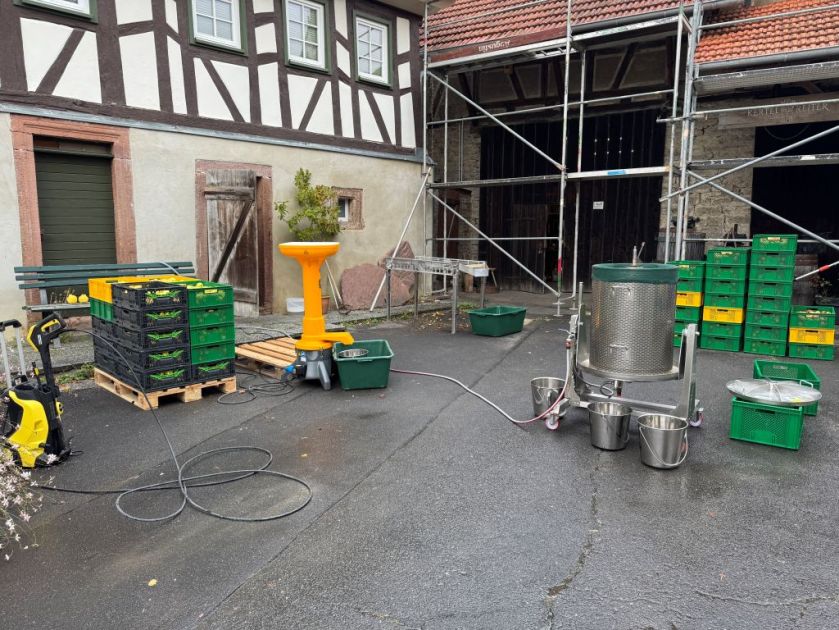
Harvesting apples or pears after a long day at work, cleaning equipment under the dim glow of a shed light, or painstakingly bottling batches by hand well into the evening. This is the reality for most part-time makers. Every stage, from fruit to fermentation to final bottle, happens in the precious hours snatched from family time, weekends, burnt annual leave, and stolen moments of freedom. It’s a balancing act that requires not just time management, but an unwavering drive and love for the craft.
After-Hours Labour of Love
The magic of part-time cider and perry making happens when most people have put up their feet for the evening or are enjoying their weekends. For these makers, “leisure time” is often synonymous with “cider time”. The process begins with fruit, sometimes grown, sometimes foraged, but always carefully selected and handled. Harvesting is physically demanding, especially after a full day’s work at the regular job.
Pressing, racking, filling, labelling, and even selling are all done in the margins of daily life. The lack of a marketing team, or even marketing skills, means that social media, word-of-mouth, local markets, and community support are crucial. Without staff or a marketing budget, selling each bottle becomes an act of perseverance. For some, simply finding time to attend a farmer’s market or even just to answer customer emails can be a challenge.
Yet, despite all this, there’s a real sense of pride. Every batch represents not just the fruit of the orchard, but the fruit of personal sacrifice and determination. The finished creation is more than a drink; it is a testament to the maker’s devotion.
Orchards: A Year-Round, Lifelong Commitment
For those who manage their own orchards, the commitment deepens. Unlike production that relies solely on buying in fruit, orchard-based makers assume the year-round responsibilities of nurturing trees and the land they inhabit. Grafting new varieties, pruning ancient branches, mowing, mulching, and managing pests are just some of the ongoing tasks. These jobs don’t stop for holidays or weekends, they are dictated by the seasons, the weather, and the needs of a living landscape.
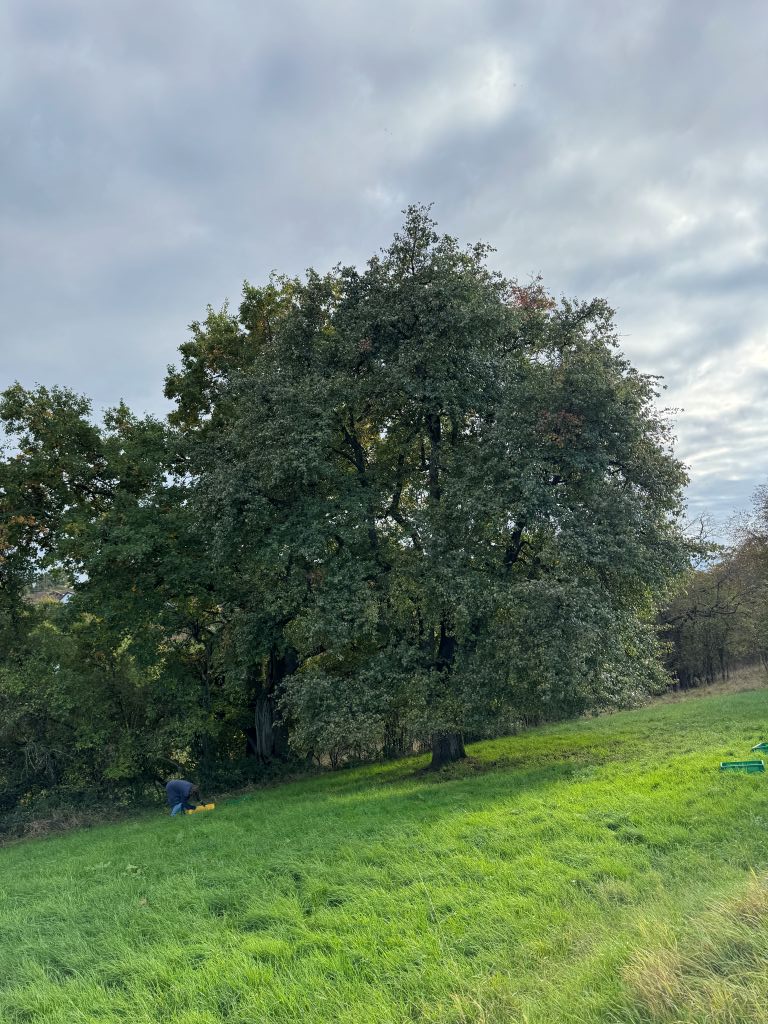
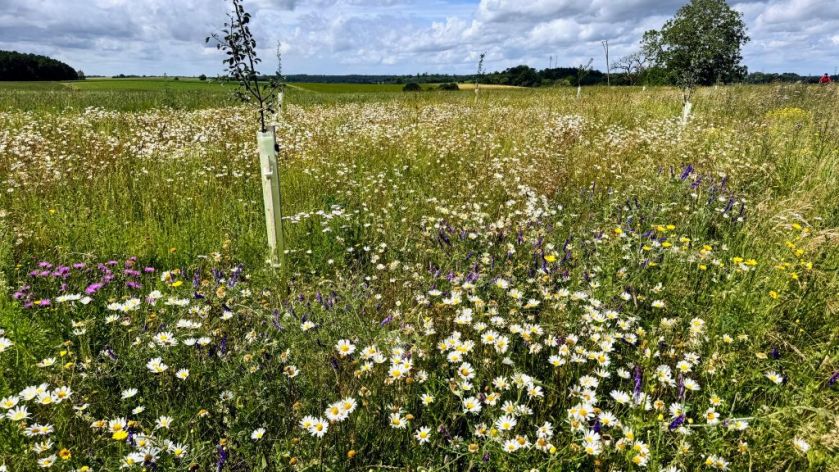
Establishing a new orchard, particularly a meadow orchard (a Streuobstwiese in my part of the world) with full standard trees, is pretty much a generational undertaking. Planting young trees is an act of hope, rarely yielding significant fruit for several years. Pears for the heirs, as they say. The work is unglamorous, and yet, for many, this stewardship is at the heart of their passion.
Few, if any, part-time orchard-based cider makers are compensated for their true investment of time and energy. If the hours spent maintaining the trees and orchards were ever tallied and fairly priced, the resulting bottles would be a luxury beyond most people’s reach. Instead, these makers accept that their reward is not financial, but found in the health of their trees, the richness of their land, and the quality of their cider or perry.
Preserving Traditions and Biotopes
It hardly needs to be said, but orchard-based cider makers of all sizes are custodians of traditional farming methods, low-intervention, organic, and deeply respectful of nature’s rhythms. Whether it’s grafting old varieties, maintaining old orchards or harvesting from abandoned trees, there is a connection with generations of rural heritage. These practices do more than make tasty drinks: they help conserve precious biotopes, havens for birds, pollinators, and countless other species.
By resisting the trend toward monoculture and industrial-scale production, part-time orchardists fill a niche, protecting parts of our cultural landscape that are increasingly rare. Preserving old orchards and planting new ones is an act of environmental stewardship, a living link to the past and a promise for the future. Every bottle from a part-time, orchard-based maker carries a story of conservation and community, a legacy as valuable as the drink itself.

Beyond the Bottle
Of course it’s easy to focus on the finished product from any maker. The taste, the aroma, the sense of place in the glass. But to truly appreciate the work of part-time cider and perry makers, one must look beyond the bottle. The commitment required to manage a day job while nurturing trees, crafting cider, and caring for the land is nothing short of extraordinary.
Too often, the efforts of part-time makers are dismissed as “just a hobby”, as if passion and dedication are somehow less valuable than commercial ambition. This perspective ignores the countless hours, the physical labour, and the emotional investment poured into each batch. The reality is that every sip is a celebration of resilience, ingenuity, and yes, simply love for the art.
Choosing cider or perry from a part-time, orchard-based maker is not just about taste, it is an act of support for a way of life that values tradition and sustainability. It is a recognition that some things are worth more than their price tag, and that bottled passion deserves to be celebrated.
So, as you raise a glass of cider or perry, consider the hands that made it: the late nights, the early mornings, the muddy boots and the quiet pride. Remember, in supporting part-time makers, you’re not just buying a drink, you’re investing in the preservation of traditional orchards, the conservation of nature, and the continuation of a craft deeply rooted in the landscape.
These unsung heroes may work in the shadows, their contributions often overlooked, but their legacy is written in every tree planted, every meadow preserved, and every bottle lovingly crafted. In a world hungry for authenticity and connection, their work shines all the brighter.
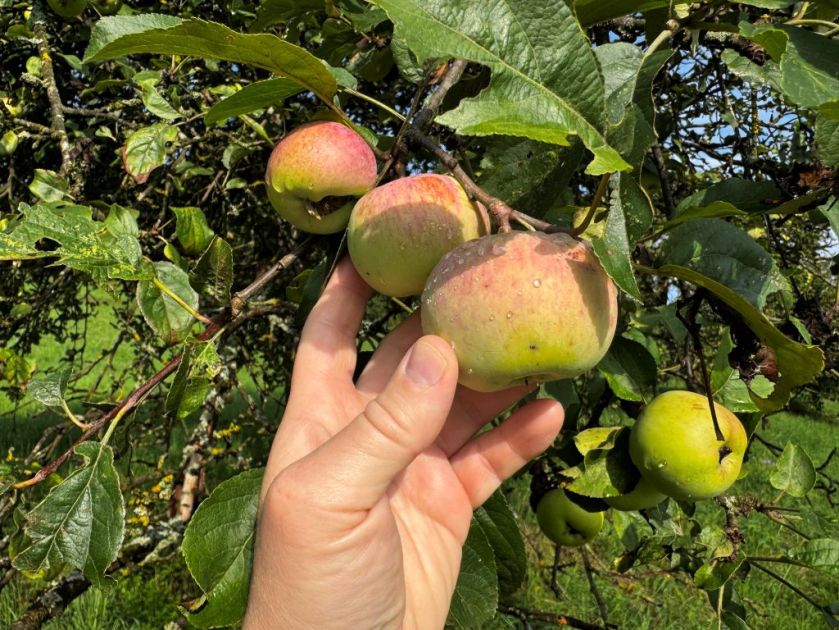
Cover image: Unripe Ontario apples hanging from the tree. Photo: B. Masterson.
Discover more from Cider Review
Subscribe to get the latest posts sent to your email.
 Cider Review
A lovely read!
LikeLiked by 1 person
Thank you!
LikeLike
Pingback: Loblied auf die Teilzeit-Cider-Hersteller – Kertelreiter Cider
Pingback: Harvest 2025 – The Producers Summary Pt 2 | Cider Review
Pingback: Ausblick 2026 – Kelteraktiv
Pingback: Harvest 2025 – The Producers Summary Part 4 | Cider Review
Pingback: Cider Review 2025: A Year in Reflection | Cider Review