A few years ago, I was at an event kickstarting a project to protect the local partridge population. You know, those birds that like pear trees, too. There was a small stand at the back from a regional nature protection organisation, and they were selling Most – the local name for cider – by the glass from a 20 litre cannister. It was a bit rough, to be honest, but adding a splash of sparkling water helped. My next drink was a beer.
But there, lying on the table amongst the NABU flyers, was a stack of old stickers, bright yellow circles that reminded me of the “Atomkraft? Nein danke” anti-nuclear energy stickers popular in the 1970s but still showing up now and again today. But instead of the smiling sun, this sticker featured a drawing of an apple tree in the middle, with an owl, a woodpecker and a butterfly enjoying the shelter it gave. The text around the circumference stated “Mosttrinker sind Naturschützer” – cider drinkers are conservationists. And further inside, above the tree, it read “Obstbäume sind Lebensräume” – fruit trees are biotopes. It appealed to me greatly, for obvious reasons, so I grabbed a handful and the next day one was adorning my work laptop. It’s an eye-catcher!
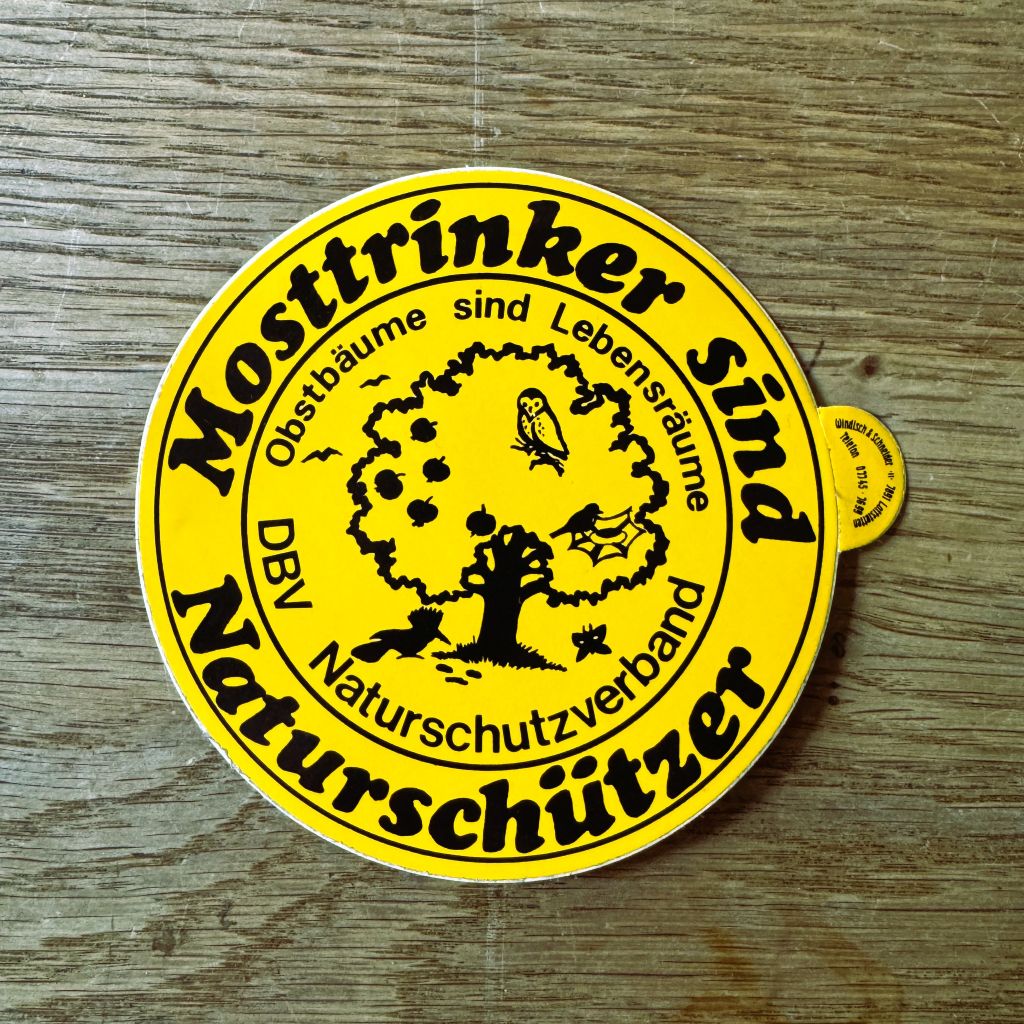
Last week, a newspaper article headline – an article in which I appeared incidentally – made a similar claim, that cider is nature conservation in liquid form, prompting me to root out the small bundle of remaining sticker, to post a photo on Bluesky. But as they sat on the table over the next few days, a discussion ensued with my wife about the statement it made.
To me, it was clear. The more cider we drink, the more cider will be made, and the more cider is made, the more orchards will be needed and preserved. Fairly simplistic thinking, I know. My wife, on the other hand, said that these kinds of statements were just like putting a plaster on a wound – appropriately, with it being on a sticker – and that it just serves to make people feel better, without making a real difference. She’s a realist. But it got me thinking about that link from maker to drinker, and the orchards that underpin everything that follows.
Anyone who knows me will have heard me say it before, it’s a fundamental principle behind the perry I make. Conservation through use. It’s a straightforward proposition. Through the simple act of consuming orchard-based products like cider and perry, drinkers are helping sustain the landscapes and biodiversity tied to traditional cultivation methods. This kind of low-barrier, everyday choice, as simple as enjoying a glass of perry, helps support practices that preserve habitats, encouraging stewardship of nature. It’s a form of participation that connects personal enjoyment to broader environmental outcomes.
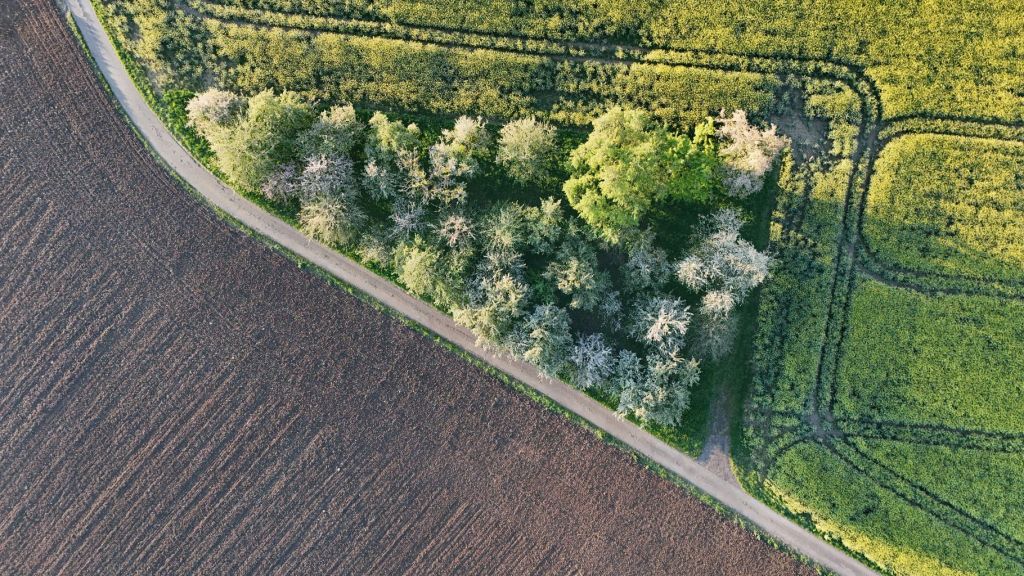
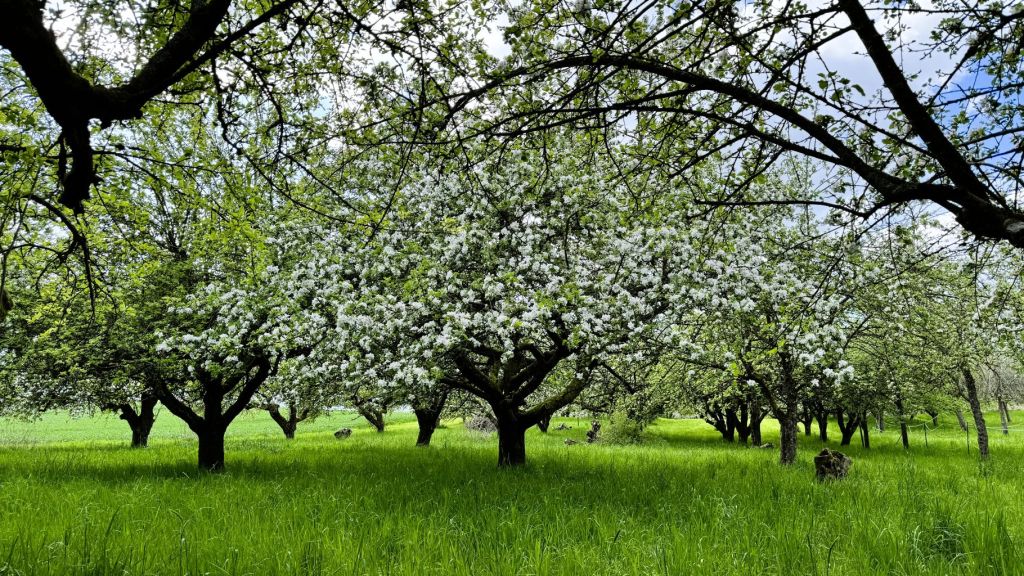
And we know it’s not just about the apple or pear trees. Orchards may be man-made environments, but they are most certainly biotopes in their own right. A mature orchard is a haven of biodiversity in an agricultural landscape that is all too often dominated by modern monocultures. And that is regardless of the form the trees take.
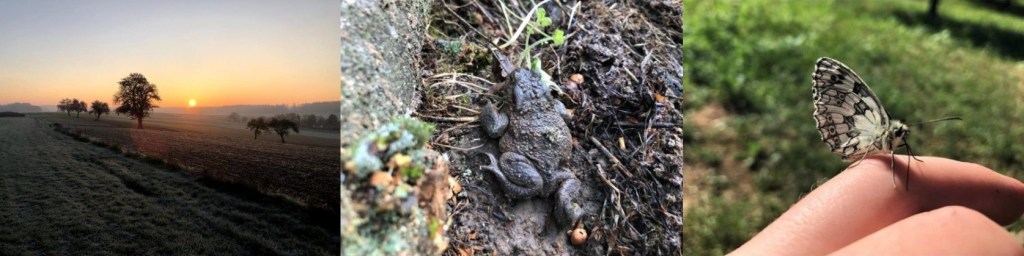
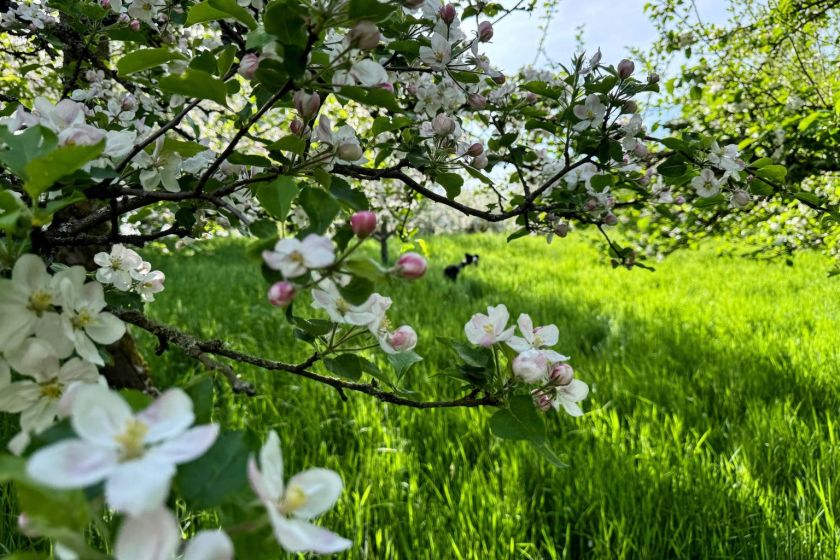
Our own old apple orchard was planted 1958, following a tighter planting scheme that was new and popular at the time, a time when fruit trees were being removed from the broader agricultural landscape and being relegated to more specialised plots of land. The trees were half-standard. Though I was recently told that the original plan was to replant after 25 years, I doubt it. In the intervening almost-seven decades, the trees became big, with large swathes uncared for probably a couple of decades. No longer pruned, and certainly no longer sprayed or fertilised, parts developed into something more natural-feeling, while still being a planned orchard.
In Germany there’s a tendency to think that only full standard trees set in managed meadows count as environmentally useful, and that only products from such trees can be of any quality. Oddly, German doesn’t have a single word that encapsulates so much meaning and breadth as the English word for orchard. A Streuobstwiese suggests those managed meadows with fruit trees scattered loosely across them, but not the wonderfully dense woodland feel of an old English orchard. But I love our untidy orchard (Obstanlage, a plantation, I am forced to call it, which sounds… industrial), as it is an amazing biotope, filled with nature, and the apples it produces are perfect for our cidermaking. It’s definitely an orchard in the way I understand the word.
But being close to the source, and seeing the progression from orchard to a cider sold cements this notion in my head, that if I was not selling cider I would only make a fraction of what I do. And I certainly wouldn’t be investing the time that I do in that labour, both in orchard and cellar, a labour of love though it may be.
In some cases, specific ciders and perries can raise awareness of rare or endangered varieties. Flakey Bark from Ross or Tom Oliver’s Coppy perry are classic examples for me, though I know Tom isn’t particularly a fan of single variety drinks. The rarity and tastiness of these pears make them very special, and if drinkers like them, there is incentive for other makers to graft and plant more of these trees, helping bring them back from the brink. And we can see that happening.
For me, locally and even more directly, I can hand a farmer a bottle of perry made from the fruit of a tree on their land and say, “that tree made this”. My hope is that it’s tasty enough to impress them and ensure that the tree stays where it is, being put back to use after probably many decades of being ignored or considered a nuisance.
But my thinking is probably too linear, too simplistic, because of course not every cider has the same straight path from tree to glass.
We speak often on these pages about the shift back toward artisanal, full-juice ciders that embody provenance and tradition, but of course we know that cider has increasingly become a mass-produced commodity, with the majority being made year-round from imported concentrates, corn syrup and water, rather than a harvest-based agricultural product. While the EU is still working towards a definition of what cider is, this is still being heavily influenced by multinational corporation that want to protect their profit margins, still being allowed to call something with perhaps only 15% juice cider.
And what do they do if it’s not profitable? The orchards get ripped out of the earth. And this is a huge disconnect between reality and the feel-good concept of cider as a conservation tool.
While drinking artisanal cider directly supports the conservation of heritage orchards, biodiversity and cultural heritage, the rise of industrial cider, reliant on concentrates and heavy dilution, undermines these very same efforts. Would it be a stretch to argue that drinking such cider is the opposite of conservation?
So this, I believe, is where our choices as consumers can have an impact. By consciously seeking out and supporting makers that produce small batch, artisanal ciders made from traditional orchards or specific heritage fruit varieties, we help sustain biodiversity, preserve unique landscapes, and maintain cultural heritage. Each time you buy from these kinds of makers, you are expressing a vote for authenticity, environmental stewardship, and generational hope, ensuring that the trees, traditions, and habitats tied to these drinks continue to thrive for years to come.
The choice is yours.
Discover more from Cider Review
Subscribe to get the latest posts sent to your email.


Hear, hear! Also, I really want a Mosttrinker sind Naturschützer tshirt…
LikeLike