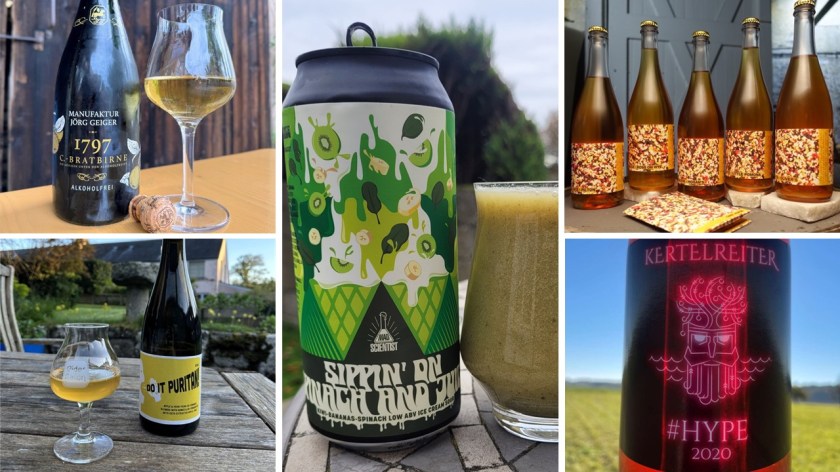
After publishing our 2025 year in review article, Adam and I had a brief exchange about how each of our reviews has developed into more personal reflections than looking at cider as a whole, or observations of how it has developed over the previous year. Which is totally fine. Sometimes we need to look back at ourselves and our place in this thing *gesturing broadly with his hands* we call cider. But it got me thinking about trends, developments, and generally how cider progresses, or not, in comparison with other drink worlds, especially beer and wine.
When I started making cider in 2012, I’d long had one foot in the craft beer world, so for me it was somehow natural to see my handmade, craft products in the same vein as so-called craft beer. By the time we started selling in 2019, my thoughts were that craft beer drinker tends to be more adventurous, trying things out, exploring new tastes, and that these forms of interesting cider and perries, produced only once a year in very small batches, would appeal to that sense of adventure. At the time I had no real connections to the greater world of cider, so craft beer was my only reference, but I’ve come to realise the craft cider market is a very different beast, and when we compare how trends in craft beer have worked till now and see if they could be mapped to trends in cider, then the difference becomes more stark.
There are of course some facts and figures about the BIG trends in cider, in the likes of the Westons Cider Report, and cider data trends reports provided by the American cider Association. These tend to look at the broad trends of how cider is doing in terms of sales and percentage of the overall beverage market. In the US at least, it looked like things are going up, with cider increasing its market share, while in the UK it seems there’s a bit of a stagnation. I also think a large part of those figures are driven by very big companies, multinationals making industrial cider. Here we are of course more interested in the artisan side of the culture – small and medium makers creating harvest based ciders and perries.
Though I’m not as deeply steeped in the craft beer world as I once was, about 27 years ago, when I first seriously got into beer as more than just an alcohol delivery system, I felt it was at the cusp of big changes in the perception of beer in general. The craft beer movement had had some stops and starts before then, in the US for sure, but from early 2000s Ireland you could see a change. Moving to Germany in 2008 that “Craft Bier Bewegung” hadn’t quite started yet, but within two years I was attending dedicated craft beer festivals in Cologne and Munich. Change had begun here too, and suddenly you were finding pale ales, IPAs and porters from small German breweries, and I didn’t have to rely on my own home brewing rig. Back in Ireland, the number of microbreweries was steadily growing, giving me a constant feeling of missing out – never mind the huge changes happening in the UK and US markets – yet there was enough local beer to explore and feed the old beer blog.
In a way, this is one thing that characterised the world of craft beer for me – almost constant change. Even just looking back on the past decade, craft beer has been marked by trends that have shaped its evolution worldwide.
We’ve had the rise of hazy and “juicy” New England IPAs that brought a focus on lower bitterness, and intense fruity, juicy hop flavours, shifting away from the hop bombs and ever escalating IBUs of IPAs that had held sway around the mid-2000s. These soupy fruit bombs quickly became staples in taprooms and supermarkets alike.
We had a surge in popularity for sour beers, especially kettle sours, but also more interest in older styles like Berliner Weisse, Gose, and more fun to me, a surge of barrel-fermented wild, farmhouse ales, as brewers experimented more with mixed fermentation and novel yeast strains. Though one contact opined that interest in wild-fermented ales seems to be waning, sadly.
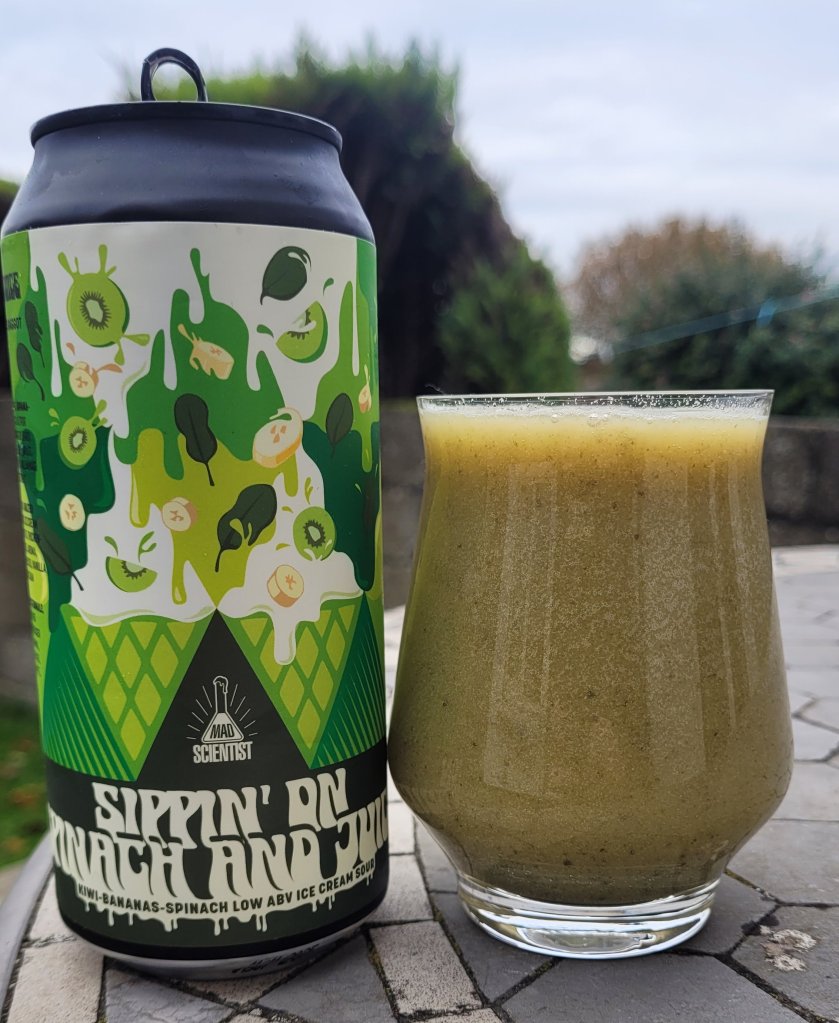
Maybe my least favourite trend was the rise of pastry stouts and dessert-inspired brews. Rich, sweet stouts with added flavours like vanilla, chocolate, coffee, or adjuncts like donuts and maple syrup, creating a subculture of dessert-inspired beers that appeal to more adventurous palates than my own. But they’re still there.
I don’t know if these trends were a reaction to changing tastes or if they were themselves catalysts to change. Regardless, when considered alongside the transformations of the beer world in the previous decade, they represent a spirit of innovation that still characterises the so-called craft beer movement today.
But while the craft beer world has been revolutionising and innovating, sometimes quite loudly, what happened with cider? Have we had anything comparable?
I have a feeling that in many countries, cider is often considered traditional, resistant to change. But of course 60 or 70 years ago it had already become something different, as production moved more towards being manufactured as a mass-produced drink that could be made year round, much like beer, rather than a true harvest-based agricultural product, like wine is still generally considered today.
So what innovations or trends have we seen in the past couple of decades?
Co-ferments
I hate to use the term fruit-flavoured cider, as it invokes those industrially produced, low-juice “ciders” that came out of Sweden, the likes of Kopparberg that dominated shelf space in UK supermarkets and pubs from the early-2000s. I’m also guilty of having had sessions of them back then! But it’s probably fair to say that thanks to those kinds of products, and changing tastes, cider combined with other fruit and herbs has been on the increase over the past half decade.
Of course while those mass-produced kinds of product don’t deserve to be considered cider, purely based on juice content, I have no objection to other fruit being included in ciders. I’ve written before on how, historically, there was nothing strange about adding other fruits or herbs to a cider, so it is certainly traditional in that sense. But perhaps those fruit-flavoured alcopops masquerading as cider triggered a rediscovery of co-fermentation with fruits other than apple and pear.
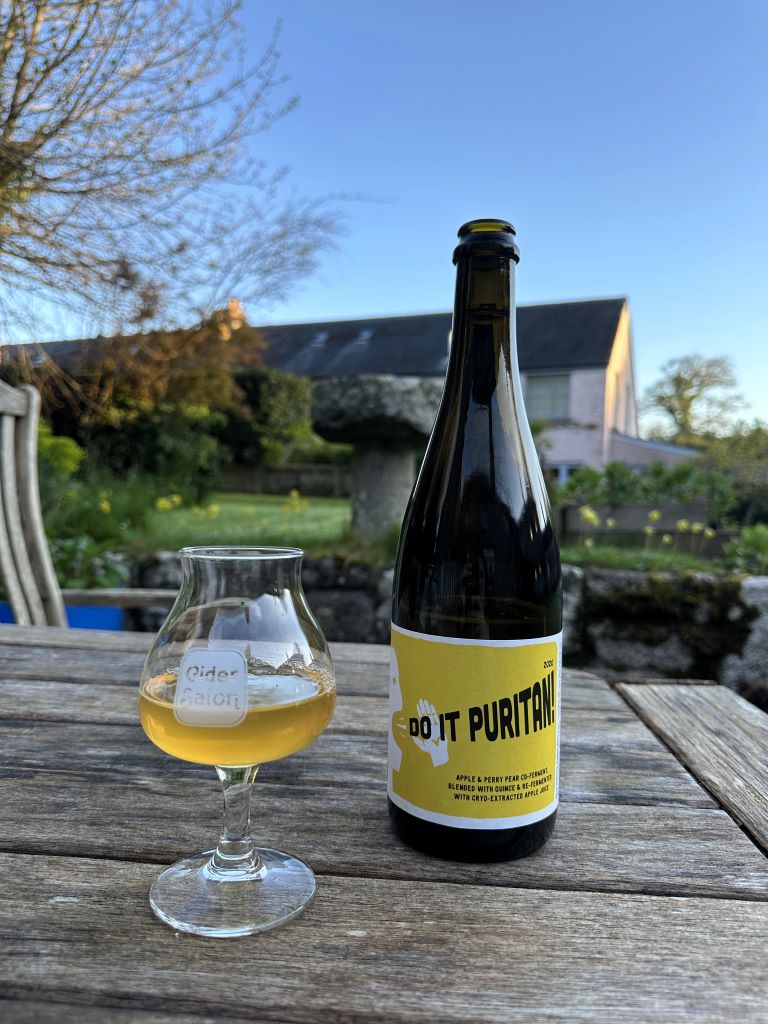
In the world of craft, artisanal cider, we now see more and more co-ferments, whether that’s fermenting the apple juice together with damsons, raspberries, quince (which is anyway another pomme fruit) or spent grape pomace. See what Pilton, Little Pomona and others have made. It’s something natural and harvest-based, reflecting what is available at that time, in that place, far from the syrup-laden concoctions from the mass-producers. I’d like to see more botanical ciders out there, purely from my own selfish interests.
Collaborations
One of the defining features of the craft beer movement has been the spirit of collaboration. Across the globe, craft breweries regularly join forces to create special, limited-edition beers that blend their unique approaches, regional ingredients, and creativity. These collabs can produce exciting and innovative brews, while also fostering a sense of community within the industry.
Collab beers can span everything in the beer world in terms of style or process, often serving as an opportunity for brewers to learn from each other and push the boundaries of their craft. These projects are typically celebrated with special release events or festivals, further energising fans and reinforcing the collaborative culture that distinguishes the craft beer scene.
And we have been seeing more of this happening in the cider world. However, the very nature of real cider being a harvest-based drink made once a year means that there are more restrictions on what can be done with collaborating cider makers.
Inter-maker blends
It’s rare for cider makers to do pressings together, which would be the equivalent of a couple of brewers coming together to mill their grist, mash, boil the wort and throw hops in on a brew day. Cue photos of brewers dumping buckets of hops into a kettle. But the cider harvest season happens only once a year, a time when all the stops are opened as the harvest needs to be brought in and pressed to fill those fermenters. There’s little time for combining efforts, though harvesting from each other’s orchards is not unheard of and is a collaboration of terroir of sorts.
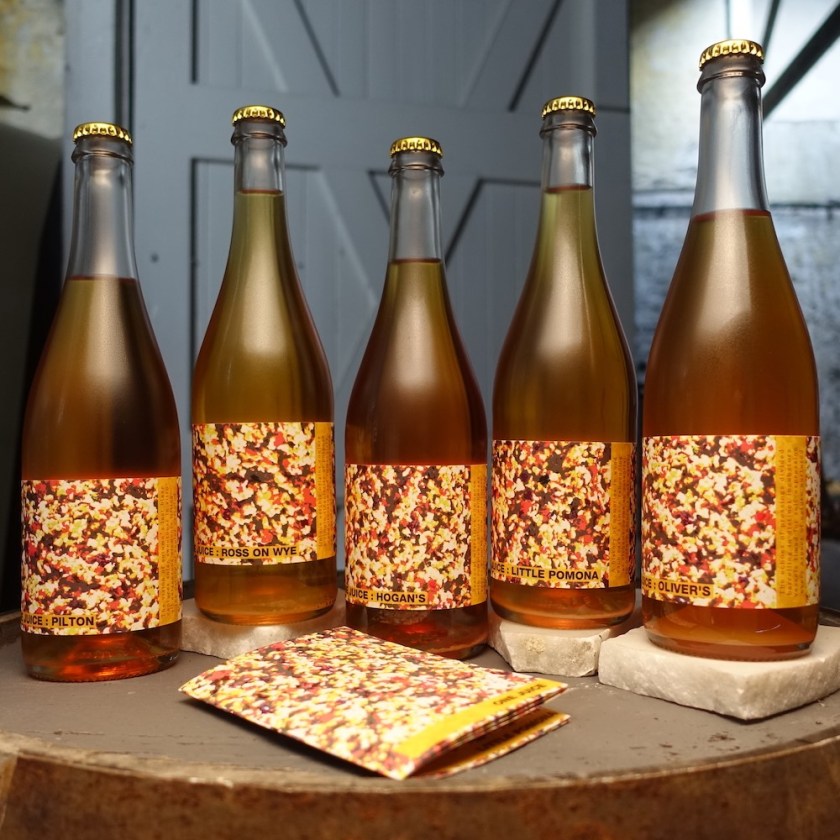
The only collaborations I can think of that is similar to brewers combining their approaches is the 2019 One Juice project, where Ross-on-Wye, Pilton, Little Pomona, Oliver’s and Hogan’s came together, split a pressing of Dabinett & Browns between them, each fermenting the same juice in their own house style, with results that show that nurture can make as big a difference as nature when it comes to making cider.
What is usually done between cider makers is based on blending. With more time as cider is maturing in their tanks, some makers have exchanged fermented cider for blending, which can be very interesting, especially if they are cideries from different regions, combining traditions of fruit type. Ross and Nightingale being one good example, with Ross providing a tannin-rich Dabinett so representative of the west counties, and Nightingale providing Bramley, with the bright acidity so typical for southeast England. They’ve also worked with Hogan’s.
We’ve even seen international collabs, as with Tom Oliver and ANXO Cider in Washington DC. “Hereford Gold” was created by Tom exporting of a container of bittersweet cider that was blended with some high acid cider by the ANXO team. But he has done many others, including with Pomologik in Sweden, Botanist & Barrel in Asheville, North Carolina, his longest running collab, “Gold Rush”, initially with Greg Hall and then Ryan Burk, which is now on the 10th iteration, and of course with New York’s Angry Orchard.
I’m sure there are many, many more inter-maker blends, please feel free to list your favourites in the comments.
Blending with guest stars
Another blending approach is to have a third party come along and blend something together, according to their tastes. Ross are again known for this, for example “Dancing Required” was a blend steered by Lily and Charlotte of Queer Brewing, where they visited Broome Farm and made a blend together with Albert by tasting everything and picking what components they wanted. To cement the collab, Charlotte then designed the label. As I recall it was a real hit at the 2023 Rossfest.
It’s an interesting approach to get someone in from outside the cider sphere, Albert told me “it helps you improve your blending skills and understand your and other people’s palates”. Indeed, sometimes one has to look beyond the rim of the plate, as they say in Germany.
Ross are also known for making blends together with their customers: “Déjà Bu” with Joran Cidrotheque in Brussels, and “Next stop: Station House 2022”, a Bulmers Norman and Somerset Redstreak blend with Chris and Susie Mansfield, just the latest of several done with The Station House in Durham. They’ve done too many guest collabs to list!
Collabs with breweries
Collabs with breweries offer a little more freedom in terms of the calendar, usually leaning into the world of hybrids, which I suppose can be considered a type of co-ferment with grain and fruit. While usually not based on blending, these types of collabs are quite varies, with cideries providing milled fruit, juice, spent pomace or even the lees from a barrel to kick off a beer fermentation.
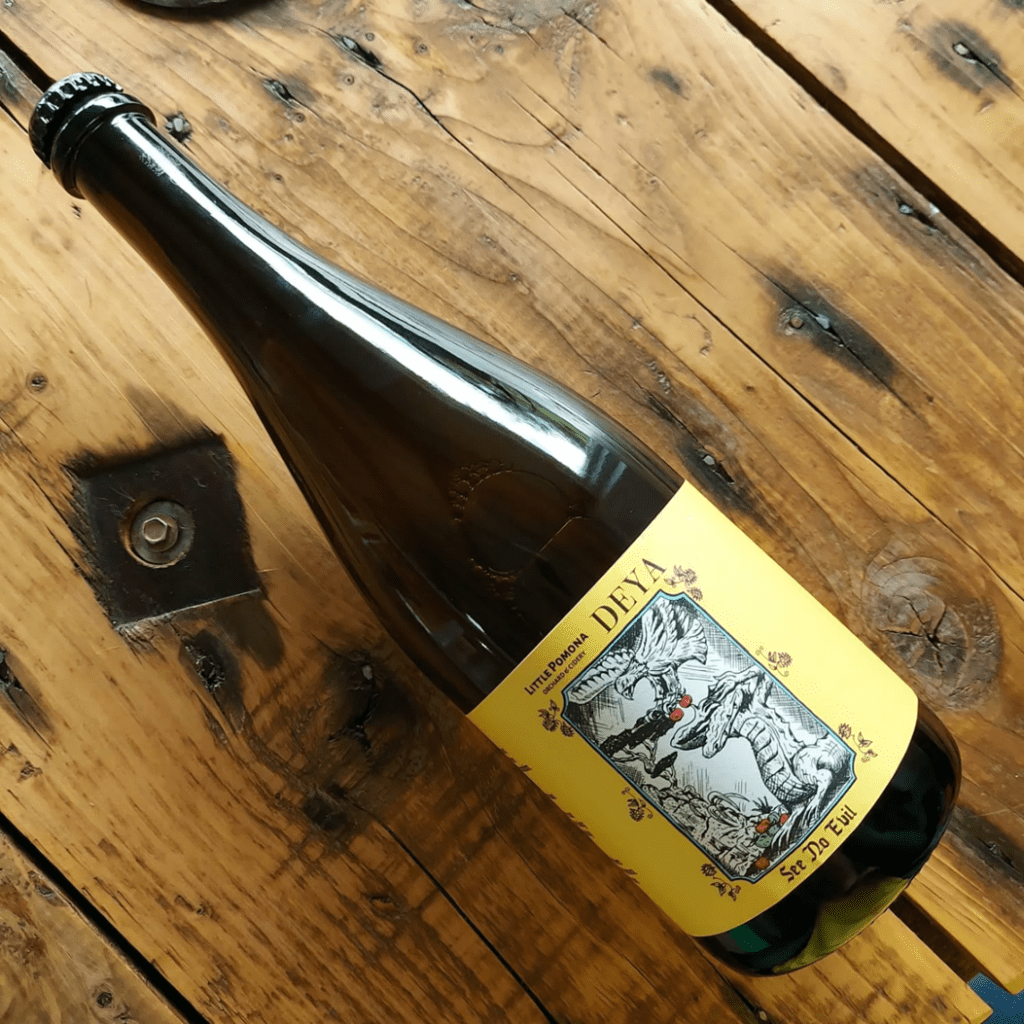
Little Pomona and Deya have worked together a few times, providing wild-fermented cider lees to power one of Deya’s mixed fermentation beers, See No Evil. Two others in the series involve pomace, Speak No Evil aged on Dabinett pomace, and Hear No Evil using pomace from perry pears.
Tom Oliver and Mills Brewing have at this stage done no less than 18 collabs. Possibly one of the best known being “Foxbic”, a play on Foxwhelp and Lambic, combining the tannic, highly acidic foxwhelp juice from Tom with a lambic-style wort fermentation, a beer style that is anyway characterised by a luscious acidity and often combined with acid-led fruits such as raspberries and sour cherries. A perfect marriage (see what I did there?). Tom has provided also perry pear juice for the Mills Nachmelená Hruška perry-pils hybrid, a drink I would very much have liked to try.
Special mention to what Albert described as a “reverse collab” of Ross Cider with Wilderness, where the Johnsons went and blended a beer at the brewery. Works both ways!
Foodie collabs
This is something less common, but appealing, where a food producer will collaborate with a cider maker to incorporate cider into their food. Cheese is a popular combination, in so many ways, and we see examples like Eden with Jasper Hill and Tom Oliver with Cellarman, producing cheese with cider-washed rinds but also creating blends specifically to pair with cheese. Right up my alley!
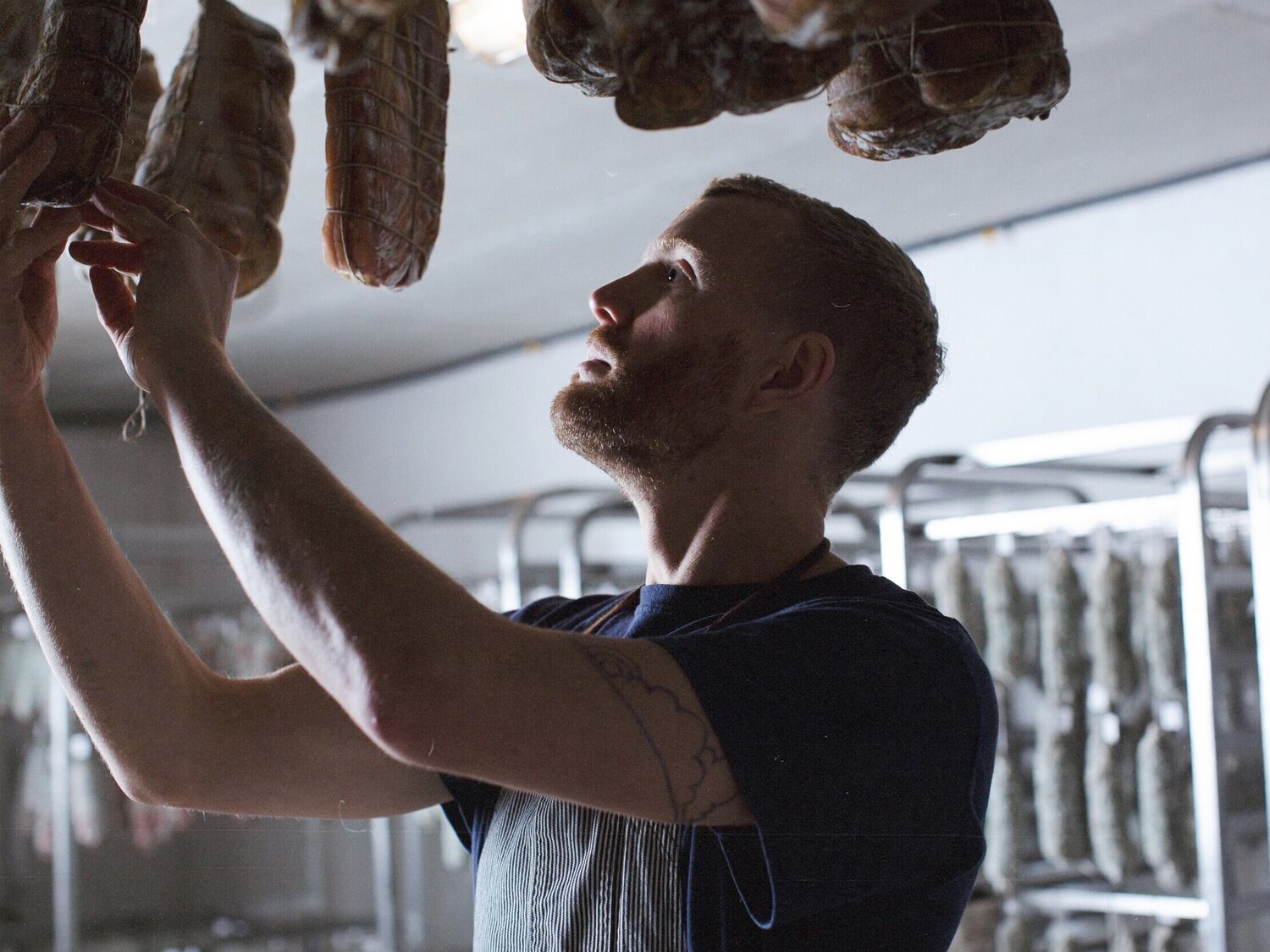
More unusual is the use of cider and related drinks in charcuterie, which we have seen on these pages before with Brett’s chat with Paul Burton of Westcombe Charcuterie. They have used “Malus” from Wilding the pâté and “Pomona” from Burrow Hill in a salami. I have tried that and it was wonderful.
It’s another type of collaboration that I think suits the artisanal nature of craft cider, as the type of person interested in good food would feel equally at home with handcrafted ciders.
Are there more examples out there?
Why do it?
That was a lot more about collabs than I intended, but it’s an interesting aspect that could bring the idea of cider to different audiences, encouraging cross-pollination between the two communities, as well as between fans of specific cideries. But what drives cideries to do this?
Albert of Ross Cider told me, “it extends the reach of your brand, drives consumer interest and offers you the possibility of accessing tech you don’t have (Hogan’s kegged all our collabs for us).”
Tom Oliver is in it for the sheer hell of it, telling me “I do it because my fellow collaborators have a wonderful sense of taste, humour and imagination and we really want to see what the taste potential of our respective ingredients might be and they really will work at it. The time, the cost, the challenges must all fade into insignificance when the outcome is shared and drunk.”
Meanwhile James Forbes of Little Pomona seems to be doing it out of mutual respect and fandom, saying “Deya had a wild ferment project and the owner and head brewer were Little Pomona fans and we likewise Deya. Nothing more complex than that really.”
These partnerships not only showcase the versatility of cider but also mirror the innovative, boundary-pushing ethos found in the craft beer world, helping to break down traditional barriers and encourage cross-pollination between the two communities.
No and Low alcohol
One clear trend that the beer, wine and cider worlds share at the moment is no-alcohol….
There’s no denying, it’s a rising trend across the drinks industry, seeming to be a hot topic in the wine world right now, as wine consumption is falling, and some winemakers are looking to no-alcohol as a way to save their vineyards. At least a recent documentary on German television presented is as a possible rescue for German and Spanish wine.
In response to changing consumer preferences, many craft breweries have embraced brewing techniques for low- and non-alcoholic beers, making them more accessible and acceptable in the mainstream. But it’s fair to say that low- and no-alcohol has long been an option for beer drinkers, so the market is quite mature. According to the Deutscher Brauer-Bund, in 2025 no-alcohol beer took up a sizable 9% of the German beer market. It’s a growing market while general beer consumption is falling.
And so cider is perhaps playing catch up. The last time Cider Review examined British low- and no-alcohol ciders was almost exactly four years ago, when James explored a range of what he described as “viscous apple-flavoured sugar water”. More recently, I had a tasting of a set from one of Germany’s foremost no-alcohol cider and perry producers, and I am seeing more hopping on that particular bandwagon of late. Like James, I think I’d rather just order a coke or perhaps an Apfelsaftschorle if I didn’t want to drink alcohol.
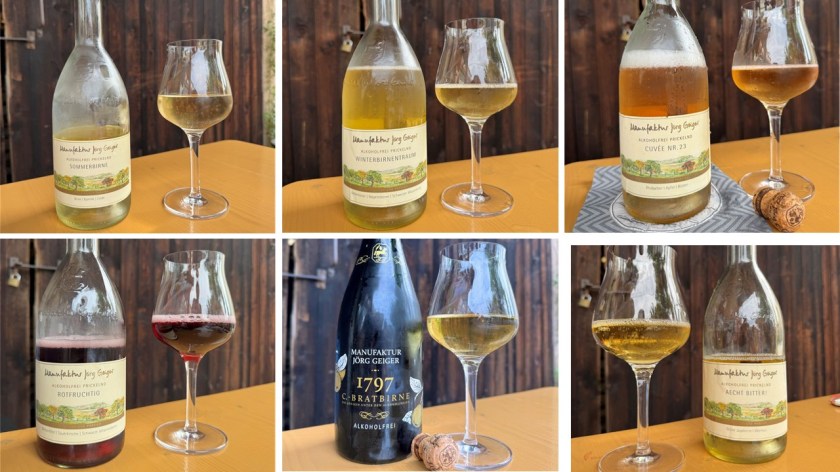
But perhaps that’s down to how some of these are made. Geiger and others often opt for flavoured, carbonated juices as a no-alcohol variant, which will of course be sweet. The second option is dealcoholized ciders or perries, which need something to replace the flavours stipped out with the alcohol, again often spices, herbs and juice, though some systems will allow fractions of aroma to be rescued during the alcohol removal.
This isn’t the place to discuss the details of the alcohol removal methods currently in use, but I think it’s worth a closer look in terms of the energy costs, as it may not fit well with the perceived green credentials of artisanal cider. Regardless, anecdotally, those I’ve spoken to seem to agree the taste result is not quite the same.
But personal preferences aside, and for whatever the reasons, it’s a fact it’s a growing market, and of course it makes sense for cider makers to chase that. In 2025 no-alcohol cider was up 26.4% in the UK, according to Westons, which sounds quite significant, but starting at a small base. Their Cider Report states that “the no and low Cider shopper is younger and more affluent than total Cider suggesting that the former is attracting a new audience. 5.8% of Cider buyers buy no and low Cider only, but account for only 1.2% of spend so no and low is still a small part of the Cider category”.
Aside from the very large manufacturers, Hogan’s have a selection of “High Sobriety” low-alcohol ciders coming in at 0.5% ABV, and their site say they have swiftly become their best seller.
Do we have many readers seeking out no- and low-alcohol ciders? How have your experiences been?
Hype releases
If you’ve been any way into beer the past decade or two, you’ll be familiar with this, and the lists of “top 100 beers” kind of thing. Limited-edition releases, special can drops, and brewery-only offerings that contributed to a culture of so-called whale hunting, with beer geeks frequently queuing for exclusive cans and sharing their hauls on social media. And sure, this phenomenon drives both local and global interest in new products, even if you can’t get them.
By way of example, the Dark Lord Day at Three Floyds Brewing’s annual Dark Lord Russian Imperial Stout release invokes images of very long lines of fans, some arriving days in advance, to get a share of the limited bottle. But there’s also a sense of camaraderie, with a dedicated following exchanging rare beers, live music and a festival atmosphere. Pre-COVID there seemed to be a lot more such hype drop events, so did COVID kill off that whale hunt?
Such events just don’t seem to be a thing in the cider world. The most anticipated release I can think of is probably Ross’s Raison D’Être which is released at the Ross Cider Festival every year. Well, along with a load of other stuff, but Raison has a seriously dedicated following, though it’s a very small community.
Chatting with Adam Wells about this phenomenon, we felt that during the lockdowns there was a perceptible buzz around cider, as all the discussion moved online and our global community got virtualized and brought together via zoom chats and broadcast events. It feels less easy to keep up and in touch now, that sharing of experience not so urgent as it was when we were all looking at each other via a screen. It’s kinda odd.
But continuing our discussion on the idea of hype in cider, Adam observed that with cideries like Little Pomona, for example, their creations that are not just apple cider (so collabs/co-ferments/ciderkins/mistelles) often receive far more attention than what he would view as their technically best drinks. He said this would suggest that ‘hype’ only happens when the beer/natural wine folk take interest, so only when cider takes some cues from those categories. It’s a valid observation, and perhaps a sign that cider on its own is too small a bubble to generate its own hype.
Eleanor Leger of Eden Cidery has written about hype and cider on her excellent Cidernomics site, where the welcome message strikes a chord. In this, Eleanor writes about how important hype is for the underdog cidermakers, and small producers in general. She wrote:
“… without hype, consumers won’t learn about the underdogs – the small entrepreneurs who are trying to bring high quality, ‘real’ food back to the market. And unless consumers start purchasing from these underdogs, they won’t be able to overcome the obstacles that the modern food system poses for them”.
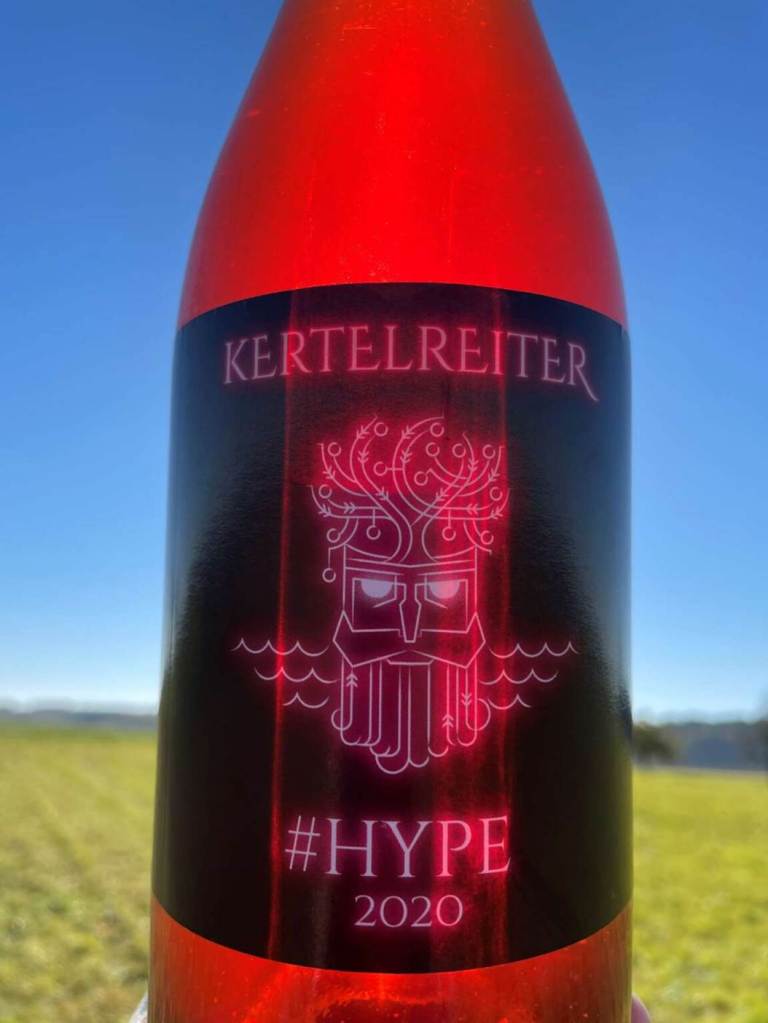
At the time (2021) our small COVID-induced WhatsApp group of small makers and drinkers came to the conclusion that Hype is a commodity that, like any other, is often in the unwitting control of the few. Usually deservedly so in our small cidersphere. However, for small producers it can often be hard to be seen above the parapet. Without the publicity machinery that accompanies true hype generators it is easy to remain as an underdog even in the tightknit community of artisanal cidermakers. If we had to make our own hype, I literally did that by making a cider called #Hype (see the photo above). It didn’t generate any!
So what’s the solution without resorting to Brewdog-esque publicity stunts and manufactured hype? Do we even want or need that kind of thing?
The real innovation
While spending a lot of time thinking about this, one thing kept niggling at the back of my brain – the fact that over the past decade or two we’ve witnessed a quiet revolution in the world of cider with, I believe, the true innovation being a return to appreciating real, artisanal cider rather than mass-produced novelty.
At least it feels like there’s been rediscovery and celebration of real, artisanal, full-juice ciders made with integrity and respect for provenance, and it’s spreading globally. And I think it’s the small producers that we can thank for this approach, only using fresh-pressed juice, often from heritage orchards, and embracing slow cider approaches. Their ciders are expressions of place, season, and the skill of the maker, offering a complexity and character that simply cannot be matched by the industrially produced options.
I truly believe that this move towards full-juice cider is as significant as it gets, reconnecting drinkers, via the stories of the makers, with the agricultural roots of cider and perry, fostering an appreciation for authenticity and craftsmanship. By focussing on quality over quantity, these makers have helped elevate cider in the eyes of consumers, encouraging exploration and dialogue around flavour, terroir, and tradition.
It’s still a small community, but nevertheless, the result is a vibrant, diverse sector where innovation is measured not by flashy gimmicks but by a deepening understanding of what makes cider truly special: the fruit, the land, and the people who tend them. In many ways, the greatest breakthrough has been the realisation that sometimes, the best way forward is to look back and rediscover what was nearly lost.
Conclusions
Reflecting on the quiet revolution that has been shaping the cider landscape, it’s clear that the passion and dedication artisanal producers of all sizes are breathing new life into a cherished tradition. At the same time, these makers are discovering new approaches, or maybe rediscovering old techniques, and more importantly, increasingly working together to elevate the whole sector. Their commitment to authenticity, quality, and the celebration of heritage continues to inspire both makers and drinkers alike.
But don’t just take my opinion as read. As drinkers and fans of cider and perry, your experiences and perspectives are vital to keeping this community thriving. So please do share your thoughts, stories, and opinions in the comments below. What do you think the most important trends of the past 10 or 15 years have been in cider? Cider Review is here to facilitate, so let’s keep the dialogue going and celebrate everything that makes cider so extraordinary.
Discover more from Cider Review
Subscribe to get the latest posts sent to your email.
 Cider Review