
Our taste buds evolved with a purpose: to help us distinguish between foods that are safe to consume and those that may pose a threat. Bitterness, in particular, triggers an instinctive caution, as many toxic substances in nature have a bitter flavour. This aversion, deeply ingrained in our biology, was essential for survival, guiding early humans away from potentially harmful plants. But in an ironic twist, some of today’s most beloved flavours—like the complex bitterness in coffee, chocolate, and cider—stem from compounds like tannins, which should have sent our ancestors running.
In cider and perry, tannins play a key role in defining flavour and mouthfeel. These compounds give structure to each sip, balancing acidity and sweetness with bitterness and adding layers of complexity that evolve over time. As our palates have adapted, so has our appreciation for tannins, transforming what was once a warning signal into a sophisticated sensory experience. By understanding tannins we can better appreciate the art of cider making and the rich, evolving character they bring to every glass.
Tannins have been the topic of conversation at many cider events and podcasts, with plenty of discussions and debates about their role in shaping the flavour of cider and perry. So, what exactly are these mysterious compounds? And why do we love them so much? Let’s find out.
What Are Tannins?
Chemical Nature
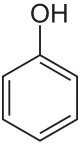
Phenol, also known as carbolic acid, is an aromatic (has a ring shape) organic (contains carbon) compound not found freely in plants. However, polyphenols—compounds containing multiple phenol-like groups—are widespread and significant in many fruits.
Tannin is a loose term for a collection of non-volatile polyphenolic substances found in apples, grapes and many other fruits. There are a dozen or more of these in apples, such as chlorogenic acid, phloridzin, and the procyanidins.
Of these only the procyanidins are ‘true tannins’ meaning they can tan animal hides or produce an astringent sensation in the mouth. However, for simplicity, we will refer to all apple polyphenols as tannins. True tannins make up around half of all phenolics in most apples.

Tannins can be divided into two main categories:
Hydrolyzable Tannins
These tannins consist of a carbohydrate core linked to phenolic acids (e.g., gallic acid). They break down easily into simpler compounds under acidic or enzymatic conditions. Their oxidative potential contributes to browning and can affect flavour stability in cider and perry.
Condensed Tannins (Procyanidins)
These tannin polymers are responsible for the astringency and bitterness in cider and perry. Condensed tannins are more stable and resistant to breakdown, playing a crucial role in the mouthfeel and structure of both beverages.
Why do Tannins vary?
Tannins are known as secondary metabolites in plant biochemistry, meaning they are not directly involved in normal growth, development or reproduction and often have protective and defensive functions in plants. Unlike primary metabolites like sugars, the synthesis of tannins is heavily influenced by environmental and genetic factors. For example, bittersweet apples contain more tannins than dessert apples, and apples grown in nutrient-poor or adverse conditions often have higher tannin levels.
Sources of Tannins in Cider and Perry
The primary source of tannins in cider and perry comes from the fruit itself, with significant variations in tannin concentration and type. These differences contribute to the unique flavour and mouthfeel profiles of each beverage. Additionally, ageing cider or perry in oak barrels introduces oak-derived tannins, adding complexity and influencing the ageing process.
The Role of Tannins in Cider and Perry
Tannins shape many sensory attributes in cider and perry, including flavour, aroma, mouthfeel, and appearance. Their role is dynamic and multifaceted, influencing both direct sensory perceptions and interacting with other compounds.
Sensory Characteristics
Astringency and Bitterness
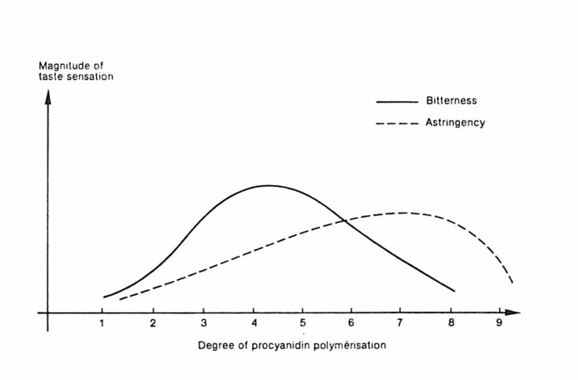
Astringency occurs when tannins bind with proteins in saliva, creating a dry, puckering sensation. When tannins interact with these proteins, they precipitate them out, leading to a sensation of dryness or roughness on your tongue, gums, and palate. This binding reduces the lubrication provided by saliva, creating the characteristic puckering or drying feeling. The degree of astringency can vary based on the tannin concentration, type, and the individual’s sensitivity to these compounds.
Bitterness, while related, is a basic taste sensation caused by some tannins. Both play a key role in the overall flavour profile.
Flavour Complexity
Tannins interact with sugars, acids, and volatile aroma compounds, influencing how these flavours are perceived. These interactions can enhance or mute certain notes, adding complexity to the cider or perry. Over time, tannins can transform, leading to an evolving flavour profile during ageing.
Binding with Volatile Compounds
Tannins often bind with volatile aroma compounds, such as esters, terpenes, and alcohols, which are responsible for fruity, floral, and spicy notes in cider and perry. The presence of tannins can modulate how these aromas are perceived by the drinker. For instance, certain tannins can mask volatile aromas by binding them, reducing their intensity. This interaction can either suppress or enhance specific aromas, depending on the tannin structure and the types of aromatic compounds involved. In some cases, this results in a more subtle and integrated aromatic profile, with the most volatile compounds being slowly released during drinking.
Effect on Flavour Perception
Tannins also influence the perception of sweetness and acidity in cider and perry. When tannins interact with acids, they can enhance the tartness or brightness of the beverage, contributing to a more vivid, refreshing taste. At the same time, tannins can bind with sugars, which may reduce the perceived sweetness. This balancing act is particularly important in drier styles, where tannins provide structure and complexity to offset the lack of residual sugars.
Additionally, tannins can interact with volatile phenols—compounds responsible for smoky, spicy, or medicinal notes—further adding to the complexity of flavour. This interaction may result in a more refined sensory experience, where individual flavour elements become more integrated over time, leading to a more balanced and harmonious profile.
How Tannins Change Over Time
As cider and perry age, the interaction between tannins and flavour/aroma compounds evolves. Tannins, particularly condensed tannins, undergo polymerisation, which alters their capacity to bind with volatile compounds. This process can lead to the slow release of bound aromatic compounds, allowing the cider or perry to develop new layers of complexity over time. For example, a beverage that initially presents as harsh and astringent may mellow over time, revealing softer fruit or floral notes as tannins soften and their grip on volatile compounds loosens.
Furthermore, oxidation during ageing transforms tannins, creating quinones that can interact with aldehydes, phenols, and amino acids, producing new aromas such as dried fruit, leather, and nuts.
Impact of Tannin Type
The type of tannin also determines the nature of its interactions. Hydrolyzable tannins, known for their oxidative potential, contribute to browning reactions and can alter flavour stability by influencing how other compounds degrade or transform during ageing. Condensed tannins, due to their stability, are more responsible for preserving the structure and providing long-lasting astringency and bitterness, which slowly mellows as the beverage ages.
Colour and Clarity
Tannins stabilise the colour of cider and perry by interacting with anthocyanins, preventing pigments from precipitating. Hydrolyzable tannins also contribute to browning reactions, which can either be desirable or undesirable, depending on the style. Although very low levels (11 to 180 mg/l) of soluble protein is present in apple juice (predominantly from the plant cells which burst during pressing), as little as 3-4 mg/l of protein can result in haze formation. Yeast proliferation during fermentation will also increase protein content in cider. In addition to protein, polyphenols, soluble starches and dextrins present in apple and pear juice can all result in a hazy drink. Tannins help clarify the beverage by binding with these proteins and other molecules to form insoluble complexes that precipitate out.
Mouthfeel and Body
Tannins contribute significantly to mouthfeel, giving the beverage a sense of weight and texture. In dry ciders or perries, where sugars are minimal, tannins prevent a watery or thin sensation. Their polymerization over time also reduces harsh astringency, leading to a smoother, more refined mouthfeel.
Factors Influencing Tannin Content and Development
Tannin levels in cider and perry are influenced by several factors, including fruit varieties, fermentation methods, and ageing conditions.
Apple and Pear Varieties
Traditional cider apples (e.g., bittersweet and bittersharp varieties) and perry pears (e.g., Thorn) are rich in tannins, providing structure and complexity. Conversely, dessert apples (e.g., Gala, Fuji) and commercial pear varieties often have lower tannin content, resulting in lighter, less complex beverages. Tannin levels within the same variety vary based on growing conditions, etc but tannin levels tend to vary from 0.075% for something like Cox’s Orange Pippin to upwards of 0.4% for varieties like Major or Chisel Jersey.
Fermentation Practices
Fermentation techniques play a crucial role in managing tannin extraction. Yeast strains, fermentation temperature, and oxygen exposure all impact tannin interactions. Higher fermentation temperatures can increase tannin extraction, while cool fermentations preserve volatile aromas but require more time.
Ageing Conditions
The ageing vessel, such as oak barrels or stainless steel, affects tannin development. Oak barrels add additional tannins and micro-oxygenation, which softens tannins and enhances flavour integration. Lees contact and stirring (bâtonnage) can further soften astringency and enhance mouthfeel.
As we’ve explored, tannins play a crucial role in shaping the character of cider and perry. From their astringent sensation to their influence on flavour and aroma, tannins add depth and complexity to our beloved beverages. Understanding tannins is essential for appreciating the nuances of cider and perry, and for crafting truly exceptional drinks.
For both producers and enthusiasts, understanding tannins offers insight into cider’s artistry and science. By appreciating the subtle ways tannins interact and transform, we gain a deeper connection to the craft that goes into each glass. So, the next time you enjoy a cider or perry, take a moment to recognise the tannins at work. Their presence connects us to the orchard, the chemistry within the glass, and the centuries of tradition behind these complex and enduring beverages.
Discover more from Cider Review
Subscribe to get the latest posts sent to your email.
 Cider Review
Thanks for this, on a fascinating subject. Having spoken and taught about red wines for many years, as Andrew says, it is also useful to begin to define the style and effects of tannins in tasting notes: how the cider making choices, apple choices and combinations create different perceptions of tannins in the mouth. There is a whole raft of tannin descriptions out there to use and help us understand better what we are tasting. These notes have led me to experiment with serving temperatures with the aim of delivering more pleasure in the glass. Bravo Andrew.
LikeLiked by 1 person
excellent article
LikeLiked by 1 person
Fascinating read- thanks Andrew!
LikeLiked by 1 person
Extraordinary article, Andrew. Thanks so much for contributing it. On a different note, lovely to be responding to an article you’ve written after years of you taking the time to leave comments on ours!
All the best.
Adam W.
LikeLiked by 1 person
Good day
LikeLike
A great read! Has got me really thinking about the inner workings of the apples we work with
LikeLike
Pingback: Tannic Cider and Perry for the winter solstice | Cider Review
Pingback: Magical Maze of Mysteries – Aging Cider | Cider Review
Very interesting and well laid out aspects of how tannins in cider can have varying impacts on the senses. Thank you!
LikeLike