
Cidermaking is the series of dozens of small decisions taken at rapid speed – almost instinctively – and the culmination of them all is what governs the quality, taste, aroma, and value of our final products. That’s true whether you’re a commercial producer like we are at Ross-on-Wye Cider and Perry, whether you’re a macro scale cidermaker using concentrate, or whether you’re a hobbyist making your very first 25L batch. Decisions from as small as, “is this apple good enough to go into the mill?” or the more significant “is this crate/trailer/lorry of apples, on balance, ripe enough to today to be processed?.” Later decisions such as “how much oxygen is needed for a healthy ferment?”, or the more banal, “should I add yeast? Nutrient? Sulphite?.” Even later questions like, “is this ready for it’s first racking?” or “should I rack this a second, third, fourth time?” And even later than that – “is this cider ready to drink? Then what package should it go in?” These are just a handful of moments in the journey of every single cider ever made by anyone – and they happen every single time. Sometimes we don’t even appreciate that we’ve made those decisions, they’re so automatic – and that is part of what makes each cidermaker’s products so idiosyncratic.
Compared to the vast swathe of pale ales available across the country, where it would be very hard to blindly guess the brewer behind it, I feel that there are dozens of cidermakers with very recognisable traits that could be spotted in a blind tasting – in fact, in August I did just that, identifying in a judging session a particular cider from aRRebITA Cider on Madeira. There’s a character to cider that comes from these decisions, good or bad. People often talk of Ross-on-Wye’s funk (I disagree, but never mind), or Oliver’s spice, and so forth. In any case, just because we may all develop cellar palate and reckon our way is the best way (guilty), there’s always cause to look back at what we’ve done and wonder whether decisions could have been taken differently, and would they have paid off? I think about every single one of our ciders and perries after they’re released and wonder if somewhere along the way I made the wrong choice, and try to remember it for next time.
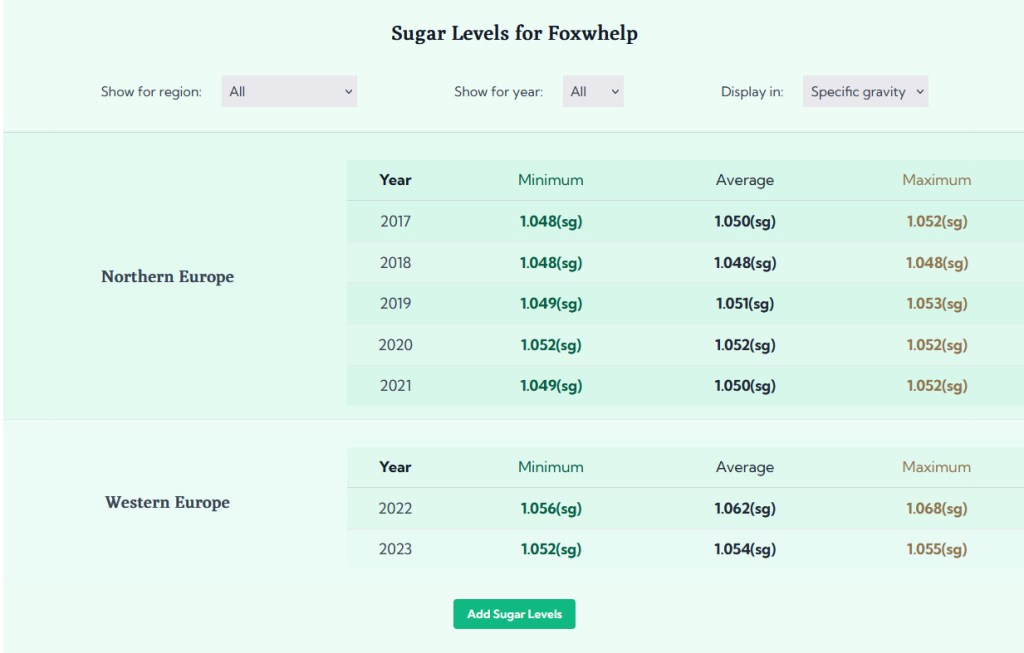
So the way to improve your cidermaking is to get better at making those decisions. That comes with practice and experience, talking with peers and friends in the industry or communities like Cider Workshop, through reading books or attending courses. But there’s another way, a quick way, and a way that we can all help each other. It’s through data. A lot of the decisions we take might be personal to us, or to aim for a certain outcome that is an individual producers preference. But it all is rooted in nature’s foundation: the raw material of fruit is the starting point for everything. This is where having access to crucial basic information would be advantageous to cidermakers anywhere who want to make the best possible cider. Historic pomonas exist that tell us how to identify certain apple varieties, and they sometimes suggest roughly when that variety might bloom or harvest, or what gravity it might reach. But that data is patchy, and crucially, often very outdated.
In 2020, I commissioned a website called ‘ourpomona.org’ – my vision is for a ‘wiki’ of apples. A crowd-sourced database with critical information on apples, pears and pomes of any type that relates to their growing, harvesting and fermenting habits and characteristics. Your first year pressing Dabinett? Look it up on Our Pomona to check roughly when you can expect to harvest it. Processing five different varieties of apple? Record the data on pH, sugar level, date of pressing and upload that for others to benefit from. And your data is sorted by continent, because Dabinett grown in Western Europe won’t behave the same as if it is grown in North America. (It won’t behave the same in Washington State as it does in Washington D.C. either, but we have to draw the line somewhere!).
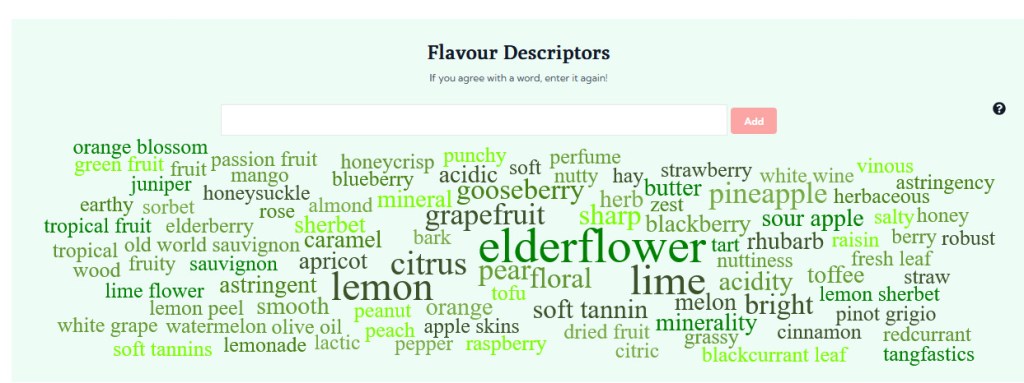
And Our Pomona has more information points than just this – it has word clouds available for you to enter tasting notes when you try someone elses cider. Drinking a single variety Tremlett’s Bitter from Perry’s Cider in Somerset? Why not add your tasting notes to the database, and then when someone is producing their first Tremlett’s S.V. in their hobby cidermaking shed, they have a guide on what they should expect it to taste like. Sharp and tangy? Something has gone wrong.
Growing an unusual variety? You can warn others if the tree is susceptible to different pests or diseases, and help them make an informed decision on what varieties to plant in their orchard.
Right now we have ‘information’ on 159 varieties, but a lot of those are actually blank holding pages. To make Our Pomona work, it needs to reach a critical mass of information. When there is enough data that a new cidermaker can stumble across Our Pomona for the first time and find something useful, that they’re compelled to keep coming back and contribute their own data, then we’ll have an ever-growing database of information that can help cidermakers around the world make better decisions. And that’s a worthy goal, because then we’ll have even better cider to drink.
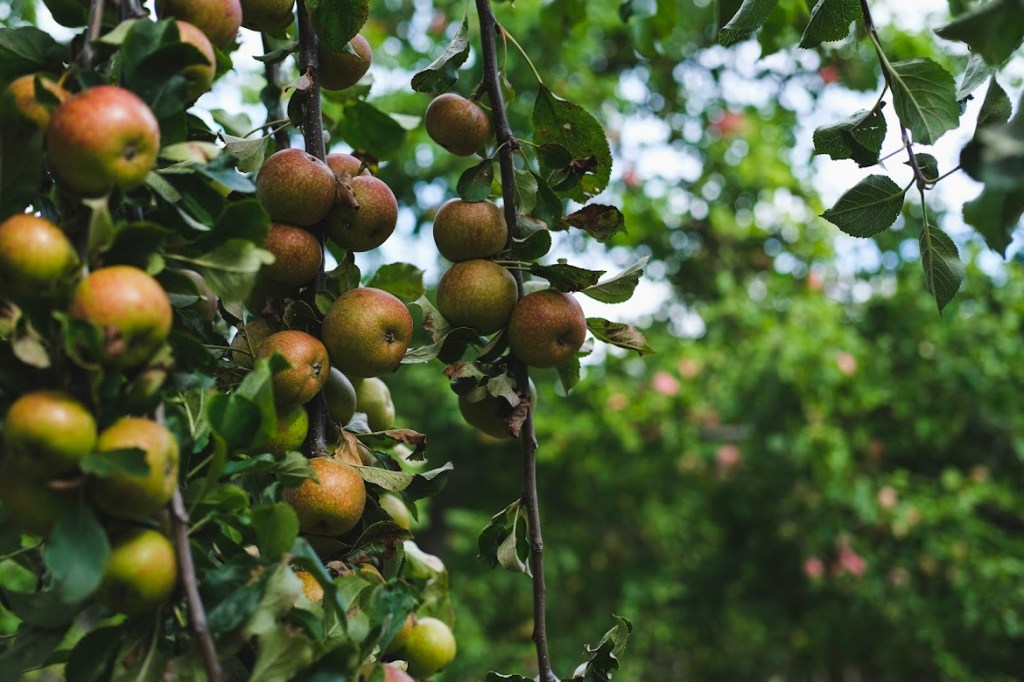
Photos by Becky Fletcher
Discover more from Cider Review
Subscribe to get the latest posts sent to your email.
 Cider Review
Very cool! Thanks to for sharing.
Alastair
LikeLike
Excellent thanks for sharing. Will look up the website and share our data – we have a v small orchard in Monmouth but enjoy making cider – nothing but the apples! and if the pear trees behave a little drop of perry. Happy harvesting. Alex
LikeLike
Pingback: On blind tastings: 5 still, dry, North-Eastern US ciders | Cider Review