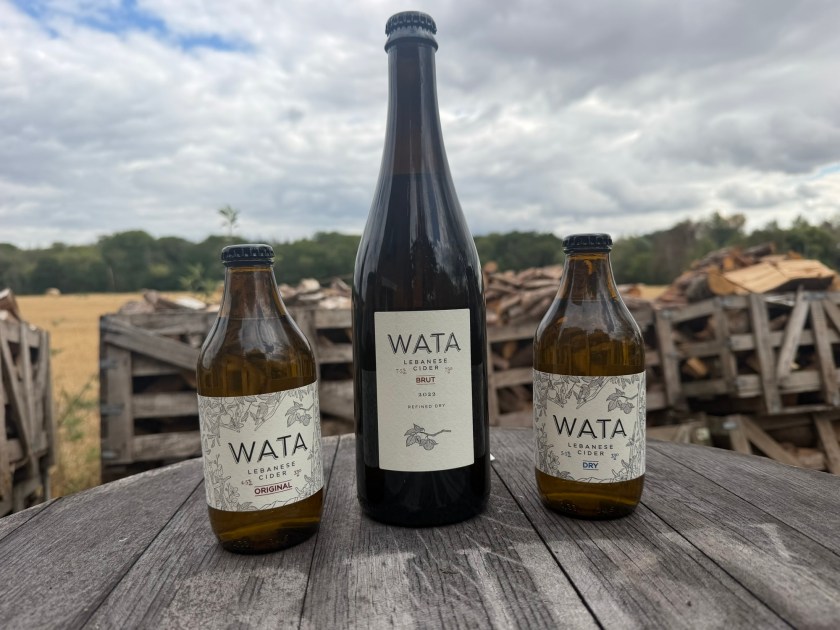
Some of the time in this wonderful world of cider and perry, an opportunity lands on your lap that you just can’t turn down. Earlier on in the year, the all-round awesome cheesemonger and cider merchant, Chris George, of Cork & Crown, dropped me a message to see if I would be interested in reviewing some Lebanese cider here on Cider Review. With absolutely zero prior experience of Lebanese cider, I replied with an instant yes please. I was put swiftly in touch with the Hafez from H & A Nader, a Lebanese Fine Foods & Wines importer into the UK who arranged for some bottles of Wata Cider to be sent to my house out in the wilds of West Norfolk. Something about this whole process filled me with a great deal of hope and happiness. All you ever seem to hear on the news at the moment is a destabilising war in far too many different regions across the globe. Fuel prices go up, up, up and away. Normal trade routes are destabilised. Human tragedy follows on a scale I try not to think about, else it would paralyse me with sadness. Yet here, in 2026, I was lucky enough to be a small part of a trade route that has brought something I love, from a country I know very little about, all the way over to the UK. What a privilege, one of life’s little moments.
Chris managed to get his review of Wata Cider out on his excellent channel before I could get all the elements of this article and review together. If you haven’t subscribed to his channel yet, I urge you to do so. He’s motivated by trying as wide a range of ciders and perries as possible, and to commit to one (occasionally two) take recordings of his thoughts on them. It’s a skilled stream of consciousness and I’m always impressed by his thoughts on different ciders and perries. I’m very grateful to Chris for reaching out and seeing if I would be interested in trying some Wata Cider – thank you good sir.
A little bit on Lebanon to set the scene. A Middle Eastern country, bordered by Syria to North and East, to the South it’s Isreal, and to the West it’s all the Mediterranean Sea, with Cyprus a couple of hundred kilometres away. Lots of history, lots of former colonial powers and all the ensuing cultural influence and conflict. I don’t really want to talk too much about that as this is Cider Review, and that’s the aperture or lens I’m choosing to see the world through on here. Travel further west than Syria and you reach Iraq and then Iran, embraced to the North by the Caspian Sea, and then a bit further west and you reach Kazakhstan, legendary origin of the apple! So really, by all accounts, before the apple reached our shores, or that of France, and long before it then made it over the US on the Mayflower and other pilgrim ships, it would have likely taking a route through trade or migrating animals down to the land where the Mediterranean meets the Middle East – although as we all know, apples and pears know no borders and will travel where the wind, the smuggler, or the horse’s digestive system will take them!
If I can briefly allow the Venn Diagram overlap of my main job in a niche corner of telecoms to collide with the wonderful world of cider and perry, I had good omens about this particular review. My colleague Paul, head of a very important division in my main job to do with new software products for telecom operators, is French Lebanese and based in Paris. I have always connected with him at trade events through a shared love of all things culturally French, but until recently I hadn’t realised the Lebanese aspect to his life. Although the world we interact in is very much a telecoms one, conversations can turn to cider and cidre at the end of a long day and I had picked up that Paul is not too much a fan of the low abv, sweet, keeved, typically found French cidre. At an event in Copenhagen this June he mentioned to me that one of the best ciders he’d tried of late was in fact a much drier, slightly higher abv, Lebanese-origin cider from a producer called Wata. The cidermaker, he said, “really got it, what it was to make a good cider of the land and of the place, I think you’d like it.” It was my great delight to reply that I had some bottles from Wata lined up to try for an upcoming article on Cider Review. Shortly after this, Hafez from H & A Nader, the Lebanese importer who had supplied me with the bottles, looped me in with Soha Frem, Wata’s founder and principle cidermaker, for a chat to find out a bit more about what it is to make cider in Lebanon.
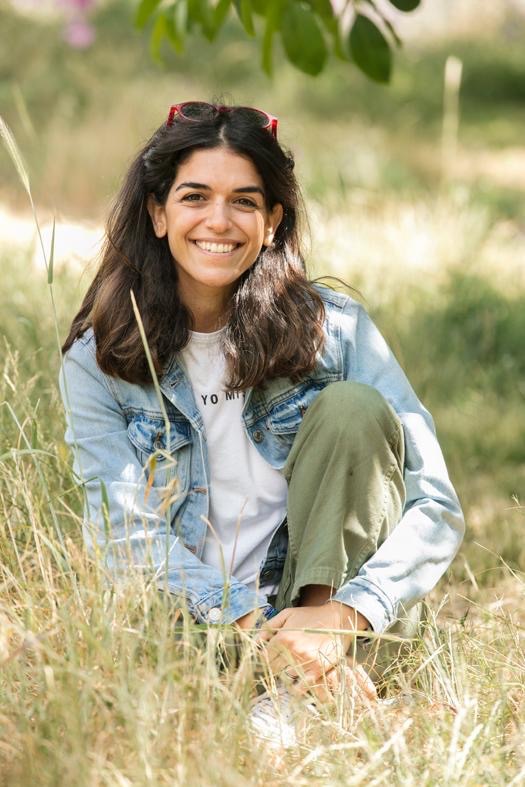
Cider Review: Thank you so much Soha for deciding to make cider in Lebanon and then export it further afield. It’s amazing to get the chance to pick up a Lebanese cider or two in the UK. Although we are known as a cidermaking country, we’re quite bad at importing other country’s ciders. There’s now a little bit of US cider back in the market, a bit of French, but we definitely have not had Lebanese cider before!
Soha Frem: Thank you for trying it, I hope you enjoyed it. It’s a bit different to what you get in the UK for sure. We’re pleased by the feedback of consumers in London specifically, especially as we’re on the lighter, sweeter side of things. I was on a visit to London in May, met with a couple of restaurant chains, it was interesting to see how they integrate such ciders on their menus. There’s still a lot to explore there.
CR: Definitely! Sommeliers and restaurants are so fluent in pairing food and wine, when you ask about pairings with Fine Cider, it’s still a work in progress. Let’s take a few steps back from London, what got you into making cider? And could you tell us a bit about the culture of orcharding in Lebanon as I know very little about it?
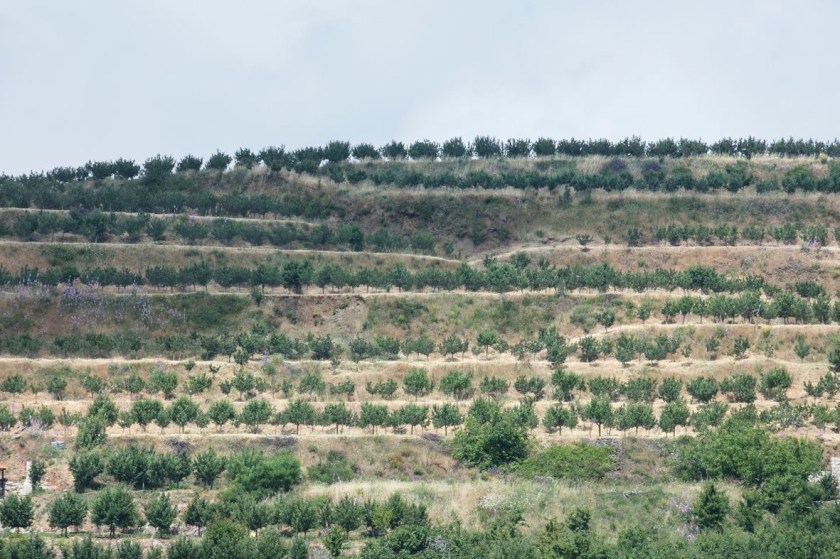
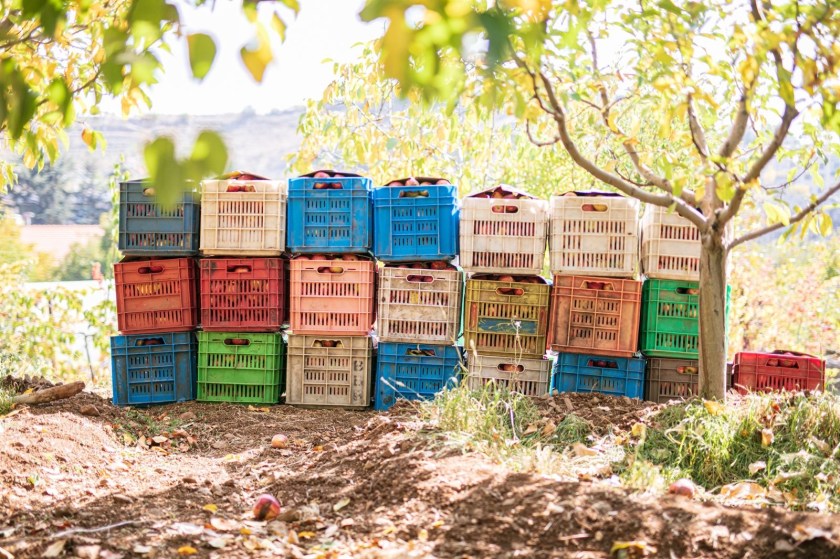
SF: To start with, the most widely grown fruit in Lebanon is the apple. In the 1970s we used to call it the ‘King of Fruit’. It was exported to Arab countries, but then with the war, being landlocked with countries at war around us, and the economic crisis we experienced subsequently, the apple really took a big hit. The price of apples was massively devalued. There was oversupply from one side, export dropped drastically, the quality of our apples dropped as farmers couldn’t keep up with best farming practices in the circumstances with little support from the government. Especially with the war in neighbouring Syria, the apple critically devalued. We went from a case of 22kg of apples being sold for $20 to $2. The value chain of the apple was very weak: we don’t have a culture of making apple jam or cooking apple cakes. I was in the summer in a small shop in the mountains, the ‘capital of apples’ and I was looking for apples to bake a cake, and I was told “those apples are not good to eat, pick some other ones” and I had to say “no no, those are for baking cakes”. “You bake cakes with apples?!” And this is in the region that we refer to as the capital of apples. You as you can imagine there is only a niche culture to work with apples. The only time we encountered cider, especially when we were young, is at very specific French creperies in Lebanon, our parents would allow us to taste cider here, the 2% Cidre Bouche, very sweet and low abv. For us in Lebanon, cider is French, in big bottles, this is how we encounter it. And when I say we, it’s a very, very small part of the community.
CR: What was the catalyst then for you to not follow that French keeved style, and make more of an English-style cider?
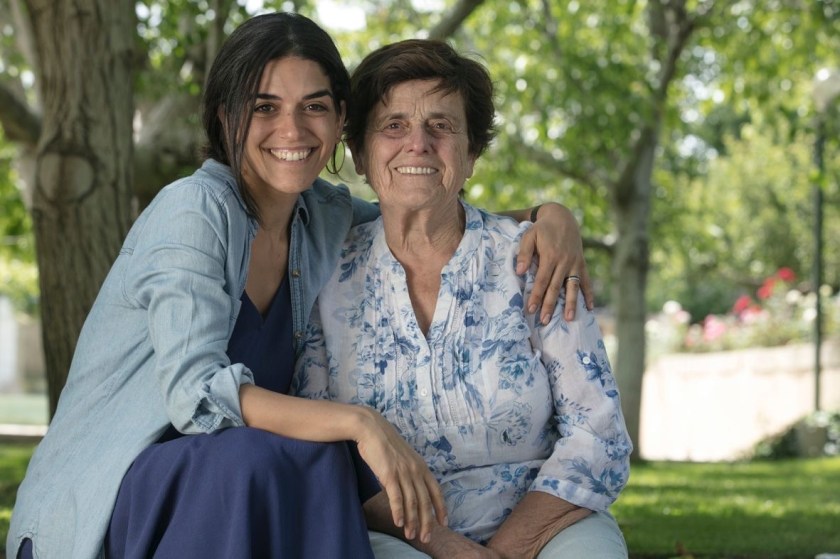
SF: First, what was the catalyst to drop my job at the UN where I worked for many years. In the summers of my childhood I grew up around apple orchards. This is where my grandparents had their house. They planted a lot of apple trees back then in the 1970s. I either played in the orchard or helped at harvesttime. The love for apples started there. Seeing the apples devalued that much, with farmers chopping the apples trees down to replace them with something or throwing their apples crates on the road, I have very vivid memories of that. Meanwhile, I was travelling around the world for either the UN or the Olympic Games Committee where I also worked. I worked on the ceremony for the London Olympics and saw how cider was modernised over in the UK, in beer bottle sizes, it was something I wasn’t used to seeing in Lebanon. Throughout my travels in the US, Canada, and the UK I thought that’s a really cool idea how we could introduce cider back home in Lebanon! And so I left the UN and went to Gloucestershire for Peter Mitchell’s cidermaking course…
CR: I’m sorry, I have to stop you, what a lovely sentence. I’ve never heard that before: from the UN to the world of cider. Absolutely brilliant!
SF: I knew I just needed to start somewhere and I found Peter’s cider academy, not knowing quite what to expect. I know we have culinary apples but no real cider apples in Lebanon so I wasn’t sure if I could make cider. I was asked what was my market study, and I didn’t have one as such. What I did know is that cider as a category is growing worldwide; Lebanon follows international trends; we drink beer and beautiful wine; and we have an abundance of apples in the country. All of which added up to the formula that told me we should make cider here.
CR: What’s the apple culture like in Lebanon? Do you have that clear cut categorisation of Cider, Dessert, and Culinary apple in the country?
SF: It’s not really differentiated. It’s just apples to most people. We have Golden Delicious, Starking Delicious, Gala, Fuji, Granny Smiths. Those are the apples we know.
CR: So, there’s not any specific Lebanese varieties of apples?
SF: You have wild apples, but I wouldn’t say they are indigenous to the region.
CR: Looking at the map of the region, you see Kazakhstan where apples originated from and the route they travel out either takes a northern or southern route around the Caspian Sea to bring apples over to the West. So these varieties you mentioned would have been imported in and grafted onto rootstock in the region by orchardists and became the established varieties? And they cope alright with the Middle Eastern climate?
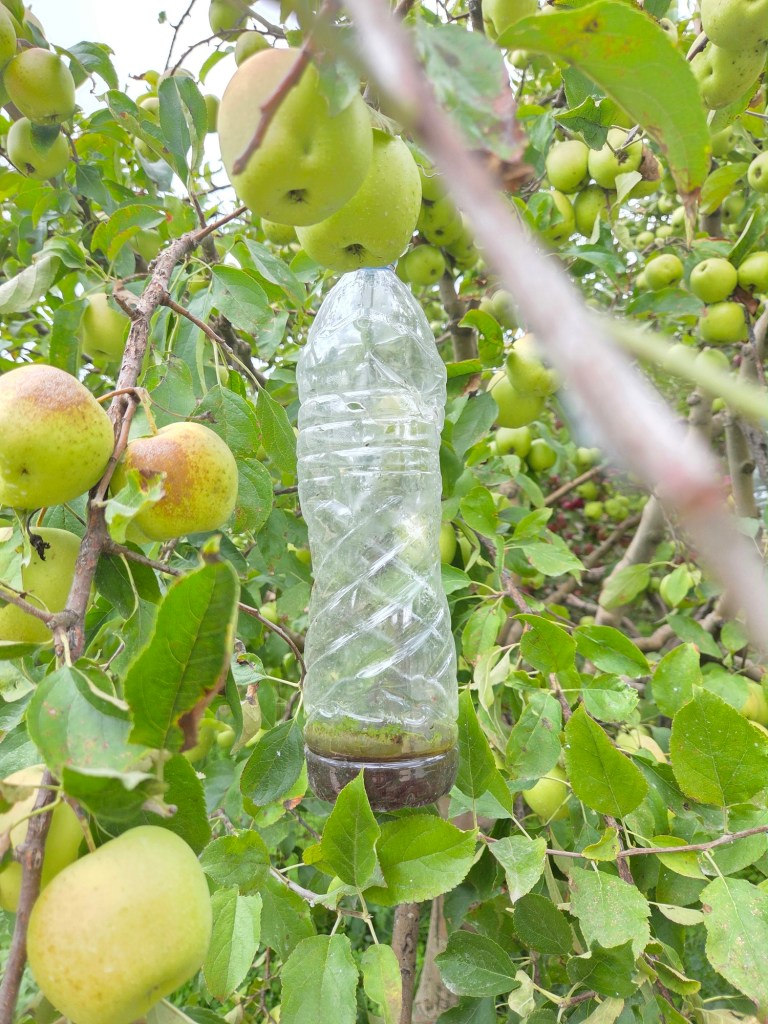
SF: Yes. Although it’s been very challenging the last two years, we had a nice growing season this year. Climate is definitely changing and this is impacting apple production. In Wata we are always trying to be up-to-date with the latest tree research, we reach out to experts in apple production to find preventative measures and practices to be less vulnerable and more resilient. We’re turning our orchard organic and have always adopted integrated pest management as a principle to follow. Now we want to diversify into different products like apple juices alongside the cider, having the organic label is something which will differentiate us. I have kids and I truly believe in organic principles and I wouldn’t want them to eat apples that aren’t from our orchard as I know just how much pesticide gets sprayed on orchards here in Lebanon. It’s been two years we’ve been on the organic program path, we haven’t seen that much of a loss of yield as a result. It’s been a lot of work, chopping small fish, hanging them on the trees to attract the pests you don’t want…
CR: I thought biodynamic practices were hardcore where you have to bury a cow horn, filled with manure and stuff, in line with the lunar cycle, but I’ve never heard of hanging bits of fish in the orchard!
SF: Yes, it’s fish in bottles of water with sugar solution, hung from the branches of apple trees. A bit different!
CR: What’s your production style?
SF: We have a pack press, we sort our apples, wash them, then press them. Cold fermentation for three or four weeks, slow fermentation. Single varieties fermented on their own in stainless steel to mature for six months to a year. This is fermented till the residual sugar is zero and then we add a bit of sugar back in again at bottling to give some sparkle. I want to see these ciders mature, I really believe in that. The maturation in the bottle over time. And we also blend various varieties with other things. We have a Mulberry Tree called Tut Shami, it’s indigenous to Lebanon, Syria, and Palestine, and we blend fresh mulberry juice with cider to create a light, 3.5% berry cider, our take on Rose. It’s a best-seller, we produce it between June and August. It really reflect the tastes of the region that you won’t find anywhere else. I would love to innovate down this road. How can we make it ours, truly Lebanese.
CR: Do you have to pick and press the fruit straight away? I’ve never used mulberry before, but I have memories of it staining my hands when I used to eat the fruit as a child.
SF: You have to press it absolutely straight away, it can be very messy. You finish the day with shades of red, pink, and purple all over your hands and arms!
CR: Like a scene out of American Psycho, only…from a more benign, fruit-originated staining! How have you found making that style of cider in Lebanon? Is the typical Lebanese drinker drinking wine and beer?
SF: Yes, typically it’s wine, beer and arak, our national drink, a bit like ouzo. Our strategy was initially to look for well-travelled people, those that would have already heard of cider, and who appreciate quality and who need to know the origin of the cider and its terroir. It grew from that point. We started in small delis, bars, and restaurants, targeted a specific community and following them everywhere: to their supermarket, their bar, their beach, their summerhouses etc. This is how we built our core audience. Then we ventured into exports. We’re currently upgrading our cidery as we can’t be aggressive on exports if we can’t provide the required volume to satisfy that market. It’s all still a challenge, an exciting one, as we’re building a cider culture that was non-existent in Lebanon before this. If there’s one thing I’m very proud of it’s that we’ve helped create that cider culture in Lebanon. It’s amazing. We gave Lebanon the first international cider medals. This will always be in the history books which is great. Currently we have two other Lebanese cider producers that have followed in our footsteps – they have different styles of cider, different production methods, they target different communities in the country. It’s a great story.
CR: It’s fantastic and I find you rather inspirational. You have produced your own use case for cider in Lebanon, first to market and all that comes with it. It’s so lovely to hear a positive news story coming out of Lebanon.
SF: I always think are we doing the right thing? When I visit the UK and see cidermakers not adding any sugar, going fully dry with their ciders, or producing traditional method ciders, I wonder if I should try that here too. You question yourself. Should I make other products as well that targets these specific communities. We’ll get there in due course. Our audience here in Lebanon is obviously different to those in the UK or the US and I don’t want to rush into anything where I can’t deliver a quality product.
CR: What about other fruit in Lebanon? Are perry pears or quince grown in the region?
SF: Not so much, we do have some pears, but their production as a crop dropped drastically as well. I’m not sure why. It is something we can look into growing here. But we haven’t started yet. We’ve made a brandy to diversify a bit, in French oak barrels. And we also have a black fig tree in our orchard so I’m looking at blending that with our brandy to have something more oaky, more spicy, for the holidays. Creating those seasonal ciders, only released onto the market for a month or two, is something I think consumers are looking for here. We don’t make our berry cider available all year around, it’s a summer vibe cider. So this is where the brandy and black fig drink could work for the Christmas holidays. I don’t think mulled cider works well in Lebanon, it’s not something that our culture has ever picked up as we never picked up mulled wine.
CR: So much about cider and perry is all about the delayed gratification. You’re laying down stock for the next year or two ahead. I can totally see that attitude about maturing stock and releasing different ciders for different seasons as a great plan to follow. Thank you so much for your time Soha, it’s been fascinating find out all about the Lebanese cider culture you’re forging ahead with!
Onto the reviews of three Wata Ciders!
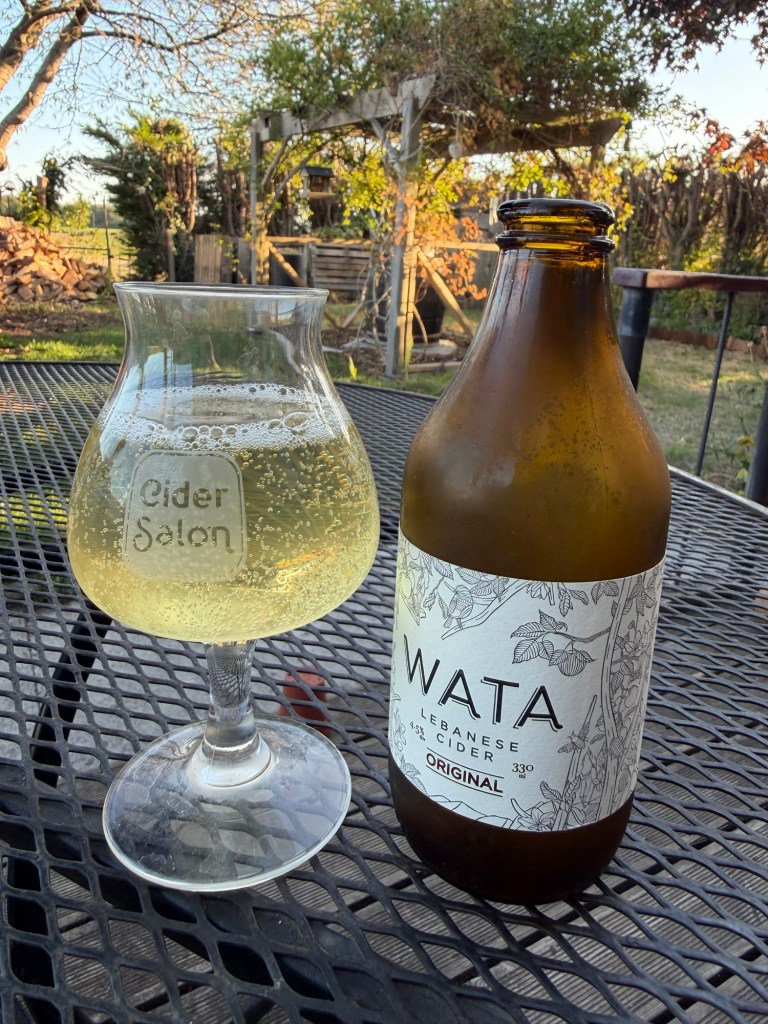
Wata, Original – review
How I served: A day in the fridge then out in the garden on a warm August evening.
Appearance: Generous effervescence with big bubbles, no mousse. Lemon gold hue, very good clarity.
On the nose: Super clean aroma of lemon rind and cantaloupe melon. A green apple skin note as well.
In the mouth: A fascinating, balanced delivery of soft malic acid apple bonbon, meets something really perfumed, almost Parma violet in delivery. This is bottled at a very sessionable 4.5% abv and the label is honest about the addition of spring water and a pinch of raw cane sugar – not sure you’d see quite that disclosure on some of the macro ciders available here in the UK. A solid medium, sessionable cider, akin in part to an Aspall’s over here, but made with a lot more individual care and attention (and actually using 100% fresh apple juice from freshly pressed apples).
In a nutshell: If this is your first experience with Lebanese cider, I guarantee you will be impressed. A crisp, sessionable summer cider.
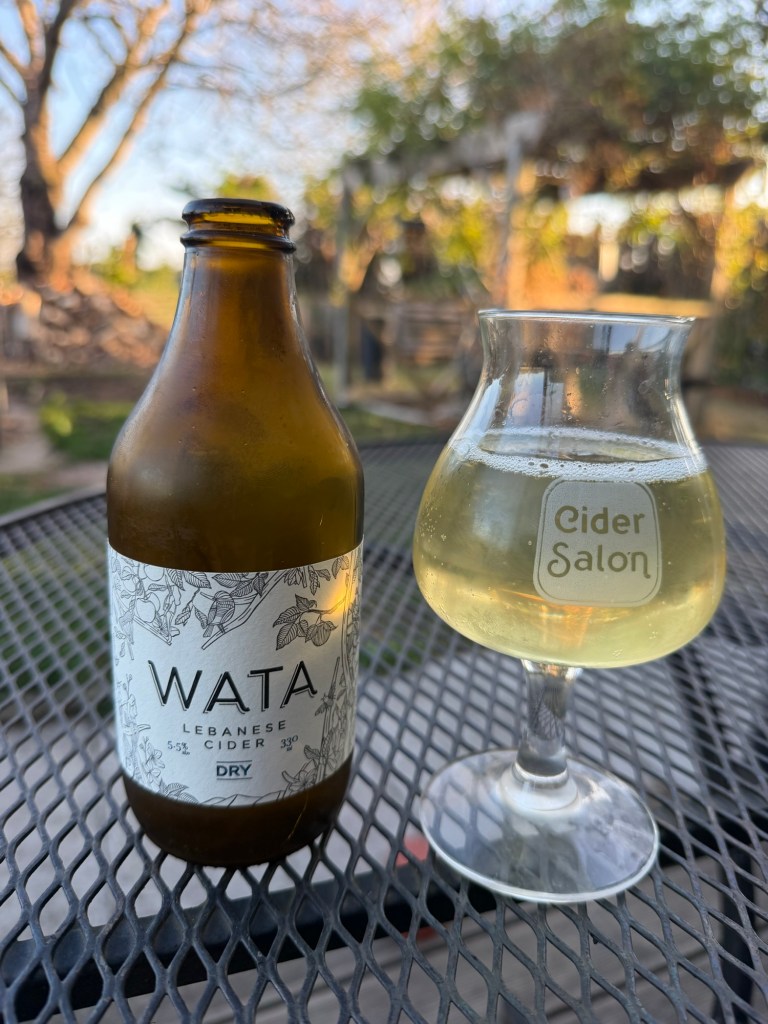
Wata, Dry – review
How I served: A day in the fridge then served chilled out in the garden in the evening on a summer’s evening.
Appearance: Mild effervescence, very small bubbles rising from the base of the glass with a really small mousse. Lemon gold hue, good clarity.
On the nose: Jasmine, green apple skin, slight hint of saline, a little fresh cut grass to the aroma too.
In the mouth: This is very familiar to me, being very Eastern Counties, acid-led in its presentation. What Norfolk shares with Lebanon via the shared loved of cider! Clean, dry presentation, acid led, at 5.5% abv I’m guessing it’s slightly less spring water and hardly any cane sugar added. Notes of white grapefruit, that jasmine hint again, and lemon sherbet. This would go exceedingly well with fish and chips by the seaside!
In a nutshell: A palate cleansing, sessionable acid-led cider to enjoy with seafood and sunshine.
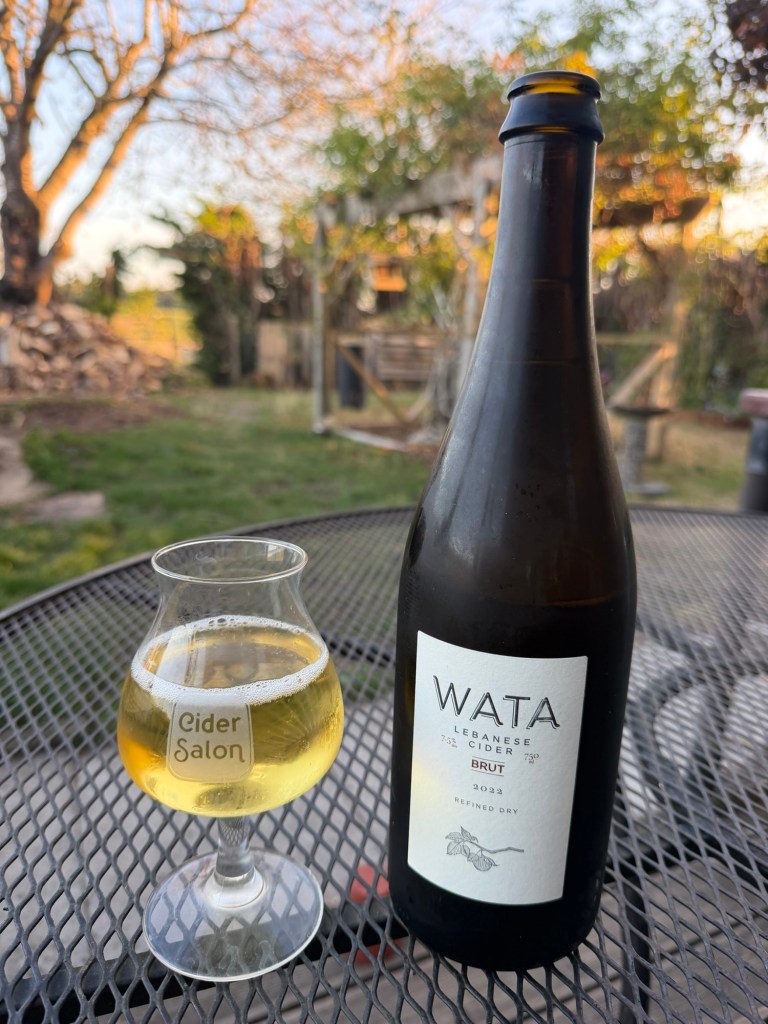
Wata, Brut 2022 – review
How I served: A day in the fridge and then out in the garden, the label recommends serving at 8•c so I’ve tried to get as close to that as possible.
Appearance: Very gentle, verging on mild, effervescence, a thin mousse which dissipates quickly. Freshly minted gold coin hue with a great clarity. Elegant presentation too in the brown glass, 750ml bottle.
On the nose: Nettle leaf, dessert apple flesh, slight nectarine and apricot stone fruit hint.
In the mouth: Dry and definitely refined, that Parma Violet perfumed note is evident here, delicate florality to the proceedings. Green apples with a spritz of lavender and rosemary, a little Rose Pouchong black tea, and some kind of incense. This comes in at 7.5% abv and sits nicely in the category we would describe here in the UK as Fine Cider, it could absolutely be at home on the dining table of an upmarket restaurant. Again, with the acid-led composition of this orchard blend, I’d veer towards fish, but also a bean-based stew or some kind of lightly spiced dhal. It’s the first label on the back of a bottle of cider I can recall that is bilingual, being both in English and French. That’s very charming!
In a nutshell: Impress your friends, you’re sipping on the best of Lebanese cider and it’s a warm, summer evening. You’ve picked out good elements of life to enjoy.
Conclusion
This whole review has been a real privilege of location and availability. I feel so incredibly inspired by my chat with Soha; all the work she’s putting in to establish a cider culture in a country where it has inexplicably not arisen sooner, with the prevalence of apple growing from the 1970s onwards. As ever, cider can come to the rescue with orchards when market conditions for fresh fruit change, and it’s great to see this in action with all the hard work Soha is putting in with her orchards and their conversion to organic status. I’ve learnt that you can put fish in a bottle, partially fill it with sugar water, and hang it from the branches of your apple tree, and that it is good for a natural pest management system that doesn’t involve spraying pesticide everywhere. I’ve discovered that the next career path out of the UN and the Olympic Games Committee can be to turn to a world of cidermaking and orcharding, which fills me with such a sense joy and contentedness. I’ve got to try some lovely cider from Lebanon that in a funny roundabout way, shares similar flavour profiles with that of the Eastern Counties, acid-led cider from the region of the UK that I call home. There’s something fundamentally brimming with goodness about the humble act of cidermaking bringing inspiration and joy to different regions of the world. Whilst I am all for supporting local cidermakers, and UK cidermakers, I am equally here to champion the cause of cidermakers with their heart in the right place and a desire to build a bigger tent for cider the world over. Soha does this in spades. I just need to find a mulberry tree somewhere nearby in West Norfolk to see what a co-ferment with this fruit and a cider (or perry) tastes like. Perhaps I’ll get the opportunity to share a bottle with Soha in the future? Here’s to Lebanese cider, and to its long and prosperous future!
Discover more from Cider Review
Subscribe to get the latest posts sent to your email.

